
The Reality of RV Life: Pros and Cons Nobody Talks About
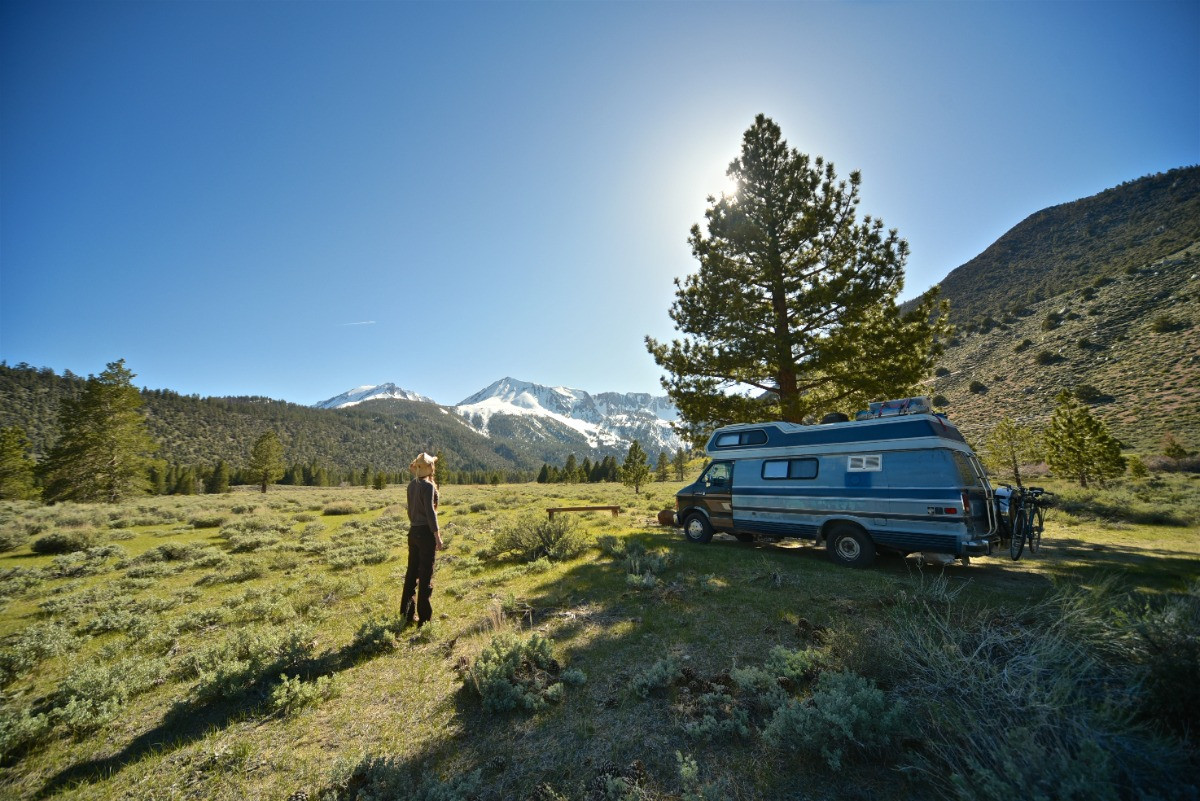
Picture waking up beside a mountain lake, enjoying your morning coffee outside, and deciding that you would rather spend another day exploring than head to your next destination. That freedom is exactly what draws so many people to the RV lifestyle, and for good reason. Traveling with your own kitchen, bedroom, and personal belongings makes seeing the country feel less like taking a vacation and more like bringing your favorite comforts along for the adventure. However, there is another side to RV living that rarely makes it into those beautiful campground photos. From unexpected expenses to the surprising satisfaction of living with less, understanding what life on the road actually involves can help you decide whether it is the right fit for you.
The Freedom of RV Living Comes With a Few Strings Attached
Having the ability to travel whenever you want is easily one of the biggest advantages of owning an RV. You can spend a weekend exploring Louisiana's state parks, take an extended trip through the mountains, or visit relatives without worrying about hotel reservations. There is something particularly enjoyable about knowing that your accommodations are already taken care of, especially when you discover an interesting destination that was never part of your original plans.
Of course, that freedom looks a little different once you are responsible for planning every stop. Campground availability, fuel expenses, travel routes, and weather conditions can influence where you go and how long you stay. You might have the flexibility to change destinations, but finding a suitable place to park a large RV on short notice is not always easy. The experience becomes much more enjoyable once you learn to balance spontaneity with a little preparation.
Sometimes the Best Moments Happen Between Destinations
Ask experienced RV owners about their favorite memories, and you might be surprised by how many have nothing to do with famous attractions. Perhaps they discovered a family-owned restaurant while taking an unfamiliar road, spent an evening talking with friendly neighbors at a campground, or stumbled upon a beautiful hiking trail that never appeared in their travel research. RV travel makes these moments possible because you are not constantly rushing between airports, hotels, and scheduled activities. You have the opportunity to experience places at your own pace, which often makes the journey just as rewarding as the destination.
Is RV Living Really Cheaper Than Traditional Travel?
You have probably heard that traveling in an RV can save money, particularly when compared with booking hotels and eating at restaurants every day. There is certainly some truth to that, especially for families who travel frequently and take advantage of their RV's kitchen and sleeping accommodations. Preparing breakfast before heading out for the day, packing lunches for outdoor adventures, and enjoying homemade dinners can substantially reduce food expenses over an extended vacation.
However, the overall cost of RV ownership involves considerably more than campground reservations. Insurance, registration, fuel, maintenance, financing, and occasional repairs all contribute to the budget. Campground prices can also vary dramatically, with some basic sites costing relatively little and luxury RV resorts charging rates that rival traditional accommodations. Even a modest increase in fuel consumption becomes noticeable when you are covering hundreds of miles every week.
The real financial advantage often comes from understanding your travel habits. Staying several nights in one location generally reduces transportation expenses compared with moving every day, while choosing campgrounds with reasonable rates can make longer trips more affordable. Rather than assuming RV ownership will automatically save money, consider what you currently spend on travel and compare those expenses with the realistic costs of maintaining your own recreational vehicle.
Living in a Smaller Space Changes Your Relationship With Stuff
Most people do not realize how many belongings they accumulate until they try fitting everything they need into an RV. Suddenly, having several sets of dishes, a closet full of rarely worn clothing, or appliances that serve only one purpose seems unnecessary. Storage becomes a consideration whenever you purchase something new, encouraging you to think about whether an item genuinely deserves the space it occupies.
Interestingly, many RV owners discover that this limitation eventually becomes an advantage. With fewer possessions to organize and less living space to clean, everyday housekeeping can become considerably simpler. There is a certain satisfaction in knowing exactly where everything belongs, although getting to that point usually requires some trial and error.
Campground Life Is Not Always as Peaceful as It Looks
Imagine arriving at a beautiful campground after a long drive, only to discover that your assigned site is directly beside a busy playground or that your neighbors have decided to spend the evening enjoying particularly loud music. Campgrounds can offer wonderful opportunities to connect with other travelers, but they are still shared spaces where privacy and quiet are not always guaranteed.
The experience also varies depending on the campground itself. Some locations provide generous spacing between sites, scenic views, and easy access to hiking trails, while others prioritize convenience and accommodate as many vehicles as possible. Reading reviews and studying campground maps before reserving a site can help you find an atmosphere that matches your expectations.
There is also the challenge of availability. Popular destinations frequently book well in advance during holidays and peak travel seasons, leaving travelers with fewer choices than they anticipated. If you prefer traveling without a strict schedule, learning about alternative campgrounds and less crowded destinations can help you maintain that flexibility.
RV Maintenance Becomes Part of Your Regular Routine
Owning an RV means taking responsibility for equipment and systems that most people rarely think about when staying in a hotel. Freshwater tanks need attention, wastewater must be disposed of properly, and electrical connections require occasional inspection. Depending on your RV, you may also need to monitor propane supplies, maintain batteries, and inspect plumbing components.
Then there is the maintenance associated with keeping the RV itself in good condition. Tires, roof seals, slide-out mechanisms, appliances, and exterior components all benefit from regular inspections. Motorhome owners have engine and drivetrain maintenance to consider, while travel trailer and fifth-wheel owners need to pay close attention to towing equipment and the condition of their tow vehicles.
Although these responsibilities may seem overwhelming at first, many become second nature with experience. Learning how your RV operates can even be satisfying, particularly when you can identify and resolve a small problem before it develops into an expensive repair. Having a maintenance budget and keeping up with recommended service intervals can make ownership considerably less stressful.
Bad Weather Makes a Small Space Feel Even Smaller
A rainy afternoon can be wonderfully relaxing when you are sitting inside your RV with a good book and nowhere you need to be. Three consecutive days of heavy rain, however, might produce a very different reaction, particularly when everyone in your family is sharing the same compact living area. Activities that normally happen outdoors suddenly move inside, and finding a little personal space can become challenging.
Temperature presents another consideration. Summer heat can make air conditioning essential, while freezing conditions require additional precautions to protect plumbing and maintain comfortable indoor temperatures. Understanding your RV's heating, cooling, and insulation capabilities is especially important if you plan to travel throughout the year rather than limiting your adventures to mild weather.
Working Remotely From an RV Has Its Own Challenges
For anyone who works from home, the possibility of taking that work anywhere in the country sounds incredibly appealing. You might answer emails while overlooking a lake or finish a project before heading out for an afternoon hike. However, dependable internet access is not guaranteed simply because a campground advertises Wi-Fi. Remote destinations can have limited cellular coverage, shared campground networks may become congested, and certain locations offer few reliable connectivity options. If your livelihood depends on staying connected, researching coverage before traveling, investing in appropriate equipment, and maintaining a backup connection can help prevent an enjoyable trip from turning into a frustrating workweek.
Why Do Everyday Chores Feel Different on the Road?
Something as ordinary as doing laundry becomes a little more complicated when your washing machine is no longer down the hallway. Depending on your RV's equipment and campground amenities, you may need to visit a laundromat, use shared facilities, or plan laundry days around your travel schedule. Grocery shopping also requires additional thought because refrigerator and pantry space are limited.
Water conservation is another adjustment that catches new owners by surprise. When you are staying somewhere without full hookups, taking long showers or washing large amounts of dishes can quickly use up your freshwater supply and fill your holding tanks. These limitations encourage more efficient habits, although they also mean keeping track of resources that you would rarely think about in a traditional house.
The RV Community Is an Unexpected Bonus
One of the most enjoyable aspects of RV ownership is meeting people who genuinely love sharing their experiences. Campground conversations often turn into recommendations for nearby attractions, advice about maintaining equipment, or stories about memorable trips. You might meet retired couples traveling across the country, young families spending their summers outdoors, or weekend campers who have been visiting the same campground for decades. These connections create a welcoming sense of community that many travelers never expected to find, and they can make unfamiliar destinations feel surprisingly comfortable.
Slowing Down Can Make Traveling More Enjoyable
When you first purchase an RV, the temptation to visit as many destinations as possible can be difficult to resist. After all, there are countless national parks, scenic highways, and beautiful campgrounds waiting to be explored. However, constantly packing up, driving for hours, setting up camp, and repeating the process can eventually make traveling feel like work.
Experienced travelers often discover that spending more time in fewer places makes their adventures considerably more rewarding. Staying an extra few days allows you to explore beyond the most popular attractions, become familiar with the surrounding community, and enjoy quiet afternoons without worrying about reaching another destination before sunset. Sometimes the greatest luxury of RV travel is simply having nowhere else you need to be.
Is Full-Time RV Living the Right Choice for You?
While full-time RV living attracts plenty of attention, you do not need to sell your house and spend every day traveling to appreciate the lifestyle. In fact, many owners find that using their RV for weekend getaways, family vacations, and occasional extended trips provides the ideal combination of adventure and stability.
Full-time travelers have additional considerations, including managing mail, maintaining legal residency, arranging healthcare, and finding comfortable accommodations during different seasons. Families may also need to think about education, work schedules, and how everyone will adjust to sharing a smaller living space. These challenges are manageable for many people, but they deserve thoughtful consideration before making a permanent lifestyle change.
Choosing the Right RV Can Make All the Difference
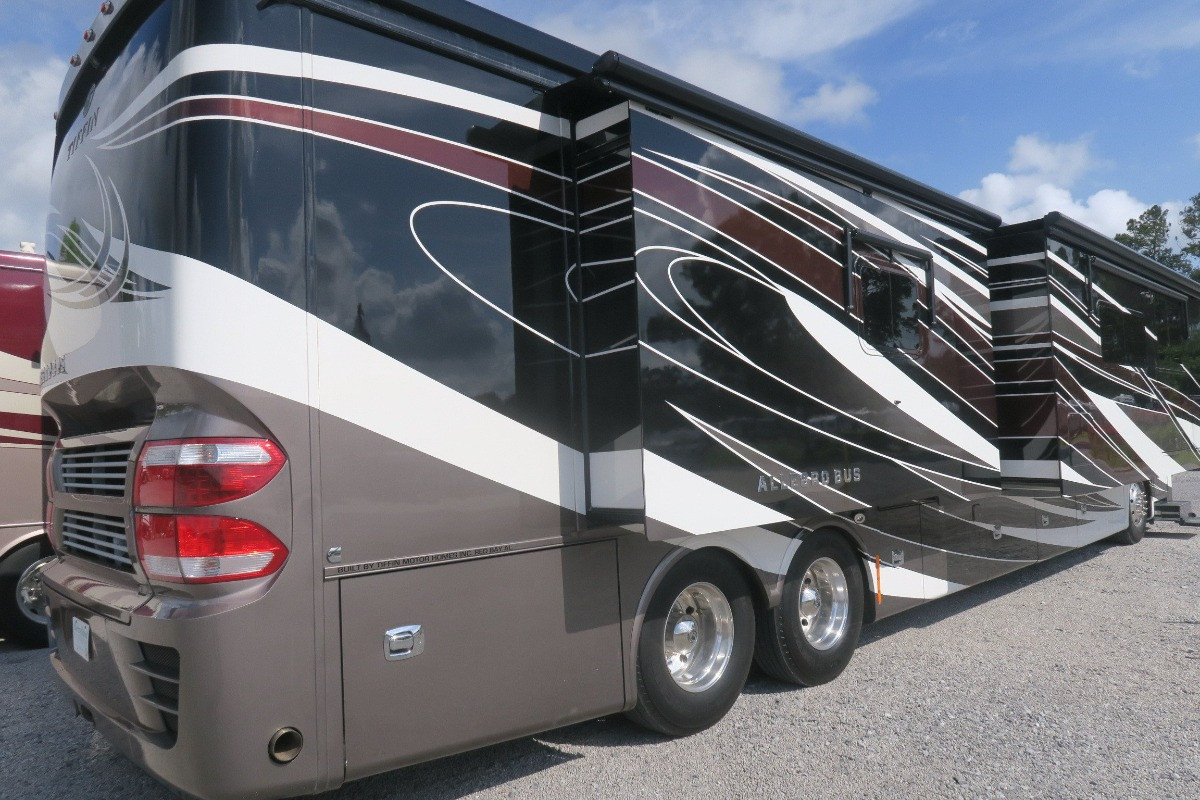
The RV you choose has an enormous influence on how comfortable and convenient your travels become. A compact travel trailer may be ideal for a couple who enjoys short camping trips, while a larger fifth wheel with separate sleeping areas could better accommodate a family planning extended vacations. Motorhomes offer another experience entirely, combining driving and living accommodations in one vehicle.
Instead of focusing exclusively on appearance or the number of people an RV can sleep, consider how you will actually use the available space. Is there enough room to prepare meals comfortably? Can everyone move around without constantly getting in one another's way? Will you have sufficient storage for outdoor equipment, clothing, and everyday necessities? Even the placement of the bathroom or dining area can make a noticeable difference during longer trips.
It is equally important to think about your vehicle's capabilities and the places you intend to visit. Towable RVs must be matched with vehicles that have appropriate towing and payload capacities, while larger models may encounter restrictions at certain campgrounds. Taking time to compare floor plans, understand your equipment requirements, and explore different RV configurations can help you avoid discovering inconvenient limitations after your purchase.
Discover the RV Lifestyle With Berryland Campers
The reality of RV life is that it comes with wonderful experiences, occasional frustrations, and plenty of lessons you probably will not learn until you spend some time on the road. Fortunately, understanding the advantages and challenges beforehand makes it much easier to choose an RV that fits your expectations. Whether you are preparing for your first camping adventure, considering an upgrade, or exploring the possibility of extended travel, Berryland Campers can help you find a recreational vehicle that complements your lifestyle. Explore our selection of RVs, compare your options, and discover how enjoyable life on the open road can be when you have the right home away from home.