
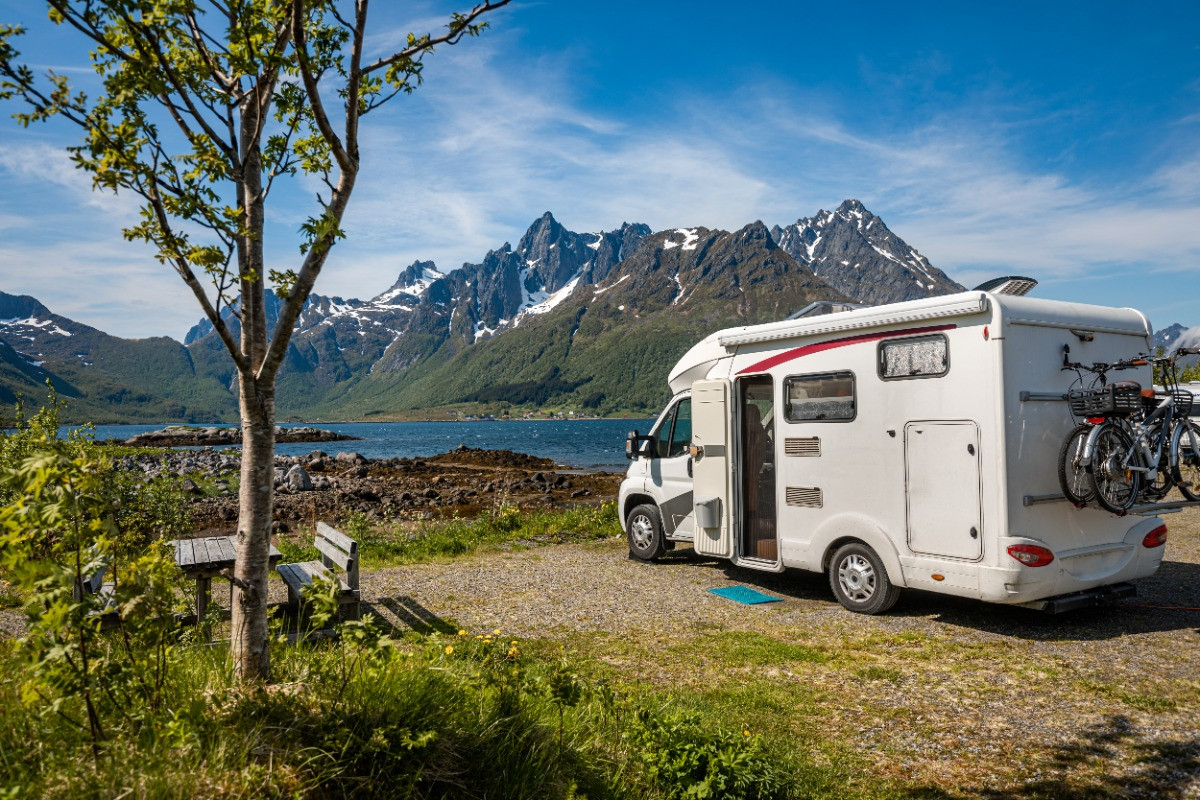
Top 5 Scenic Drives in the U.S. for RV Owners
Rolling into a beautiful landscape with your home on wheels feels like cheating in the best way, because comfort travels with you while the views keep changing and the only real limit is how much time you want to linger. This numbered guide highlights five iconic American drives that pair jaw-dropping scenery with practical considerations for RVs, so you can plan smarter, drive calmer, and enjoy every mile.
Choosing these routes required more than chasing postcard views, since the best RV drives balance beauty with drivability, campground access, and plentiful pullouts where you can stop without stress. You will find a mix of mountains, coasts, islands, and red rock country here, along with friendly towns and national treasures, so your biggest decision becomes which direction to point the nose first.
1) Blue Ridge Parkway, North Carolina to Virginia
The Blue Ridge Parkway strings together 469 miles of Appalachian ridgelines at a mellow pace, with graceful curves and a rhythm that invites you to breathe deeper while the soft blue haze lingers on the horizon. You can settle into an unhurried flow without the pressure of highway traffic, which makes this road a gift for newer RV drivers and a restorative reset for seasoned travelers.
Camping access along the Parkway is excellent, with national park campgrounds near many mileposts and private parks not far off the route. You will appreciate the simple joy of pulling into a site close to the action and walking to a scenic viewpoint at sunset, then waking to birdsong and a sky brushed with morning mist. Elevations change enough to keep temperatures pleasant in spring and fall, while summer brings leafy tunnels where light flickers through the trees.
Tunnel clearances along a few sections ask for attention, so measure your rig honestly and check your heights before you go. Larger Class A coaches sometimes prefer northern and central stretches and use spur roads to bypass lower tunnels, while Class C and travel trailers enjoy the full sweep with sensible lane positioning. The Parkway encourages patience through sweeping curves, which suits RVs beautifully, because you came for the view rather than a sprint.
Small towns and mountain hamlets tempt you off the ridge for a day, whether you want bluegrass, barbecue, craft cider, or a trailhead to stretch your legs. Hiking options range from short waterfall walks to ridgeline rambles, and every stop seems to reveal a fresh angle on these ancient mountains. The best trips mix slow mornings with gentle drives and long golden hours at a campsite you like so much you consider staying an extra night.
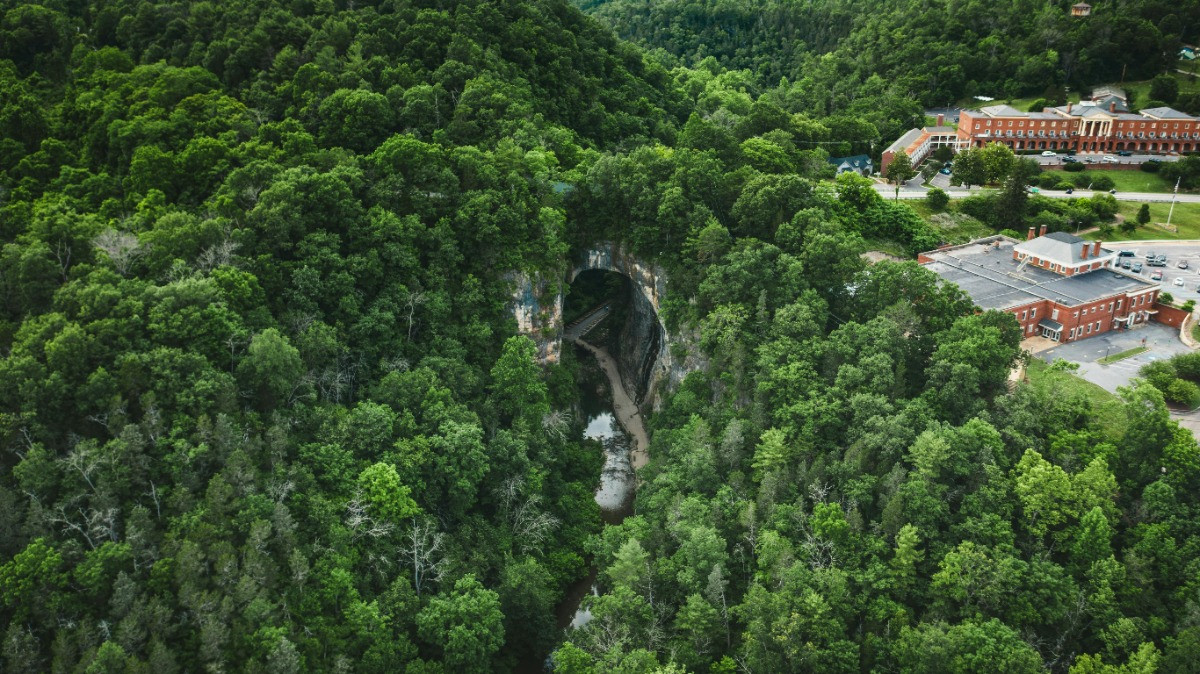
2) Pacific Coast Highway and the Oregon Coast, California to Oregon
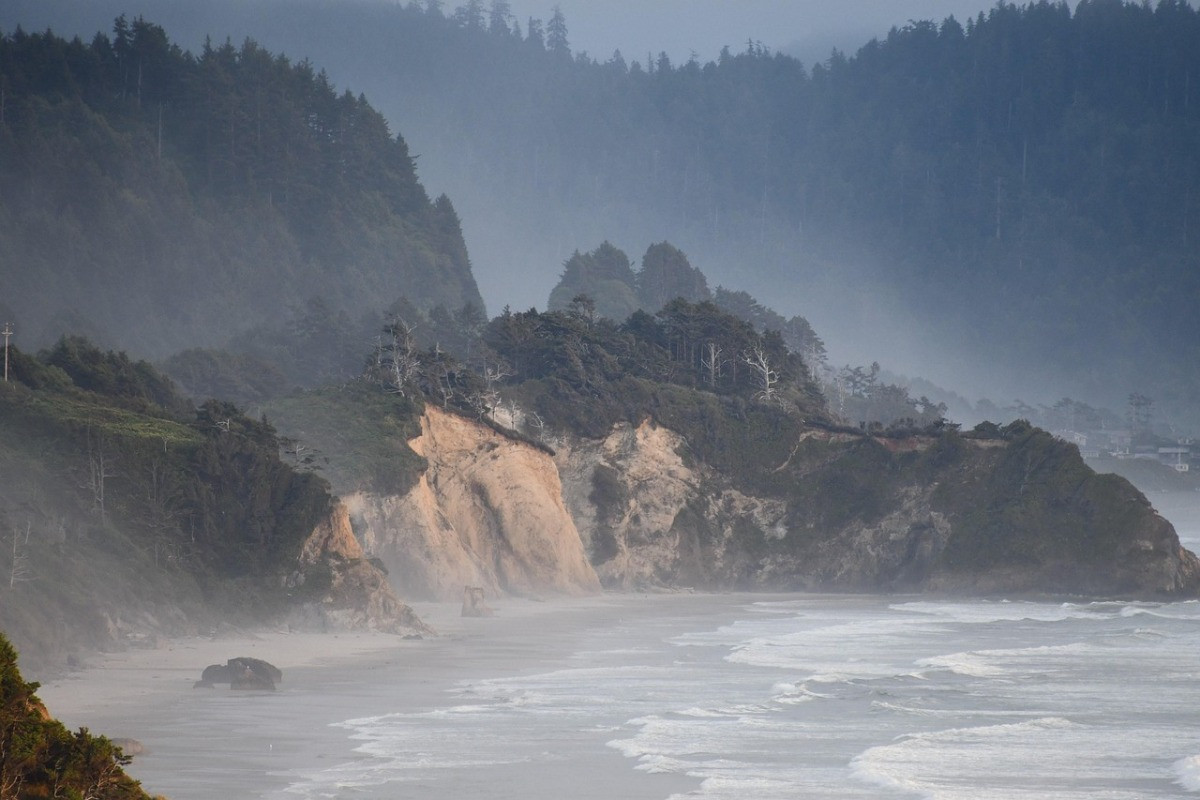
Few road trips feel as cinematic as the Pacific edge, where cliffs meet surf and sea spray hangs in the air like a fine mist. Many RVers split this experience into two flavors, since California’s Highway 1 gives you iconic bluff-top views while U.S. 101 through Oregon delivers wide beaches, friendly towns, and plentiful state park campgrounds. Pairing them creates a full-bodied coastal journey with enough variety to keep you reaching for the camera every hour.
Highway 1’s narrow shoulders and tight curves through sections like Big Sur deserve respect, so choose shorter daily distances and watch wind forecasts that can nudge you around. Drivers of longer rigs often favor Oregon for easier pullouts and ample places to overnight, because the state park system places you among dunes, headlands, and tide pools. The combination means you can taste both drama and convenience by choosing the right segment for your comfort level.
Ocean weather changes fast, which makes layered clothing and flexible plans your best friends on this coast. A morning that starts with fog can end with pastel sunsets and glowing driftwood, while a stormy day creates thunderous surf that reminds you how alive the Pacific really is. Tide charts turn the beach into a treasure map, because low water reveals starfish-studded rocks and perfect places to fly a kite.
Seafood shacks and coastal bakeries add flavor between viewpoints, and many towns host weekly markets where you can stock the RV fridge with local produce and fresh catch. Campgrounds often sit just steps from the sand, so sunrise walks become a daily ritual that resets your energy and sets the tone for the next leg. The coast rewards travelers who linger, because every headland hides one more cove worth exploring.
3) Natchez Trace Parkway, Mississippi to Tennessee
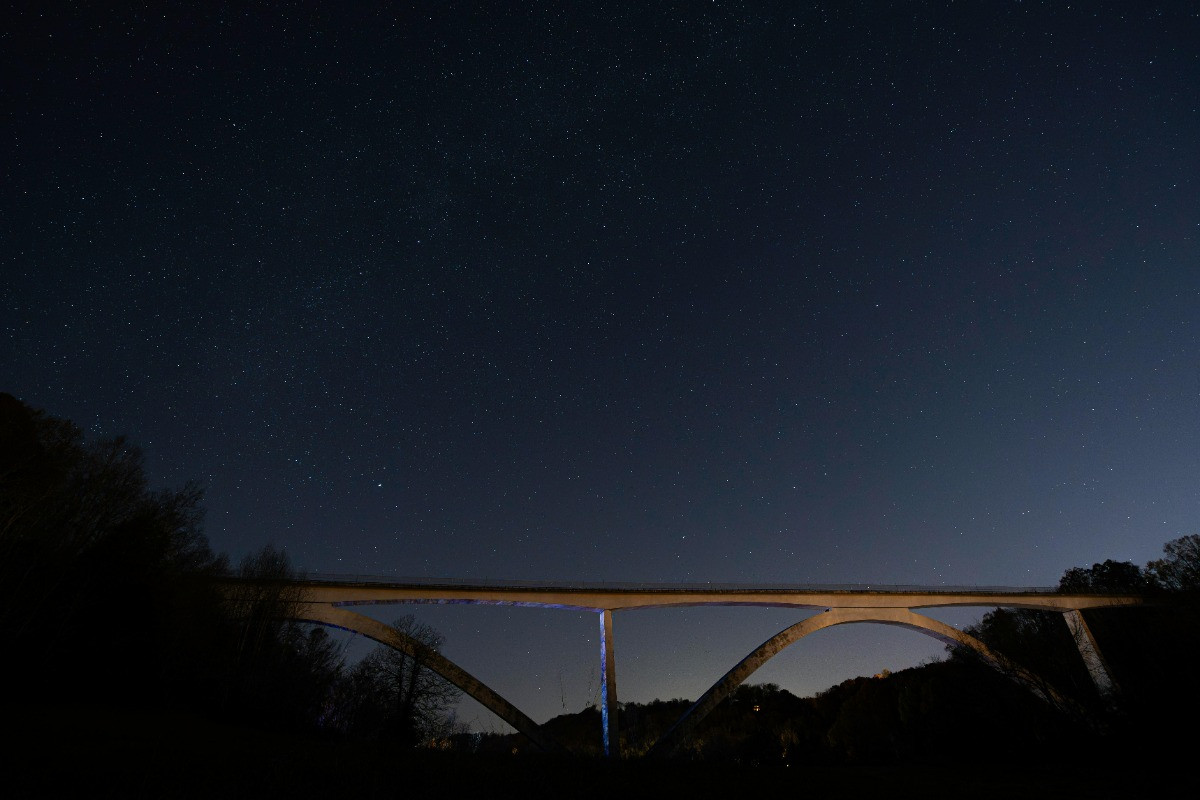
The Natchez Trace Parkway runs like a quiet story through Southern woodlands, connecting Natchez, Mississippi to Nashville, Tennessee with a two-lane ribbon free of billboards and heavy truck traffic. RVers love the Trace for its steady 50-mph pace, abundant pullouts, and historical stops that transform the drive into a living museum. If you are based near Louisiana, this route feels especially reachable, which makes it a smart first big trip for new owners.
Free campgrounds along the Trace let you tuck into the trees, while nearby state parks and private RV parks add options with hookups and longer stays. The road itself flows easily, so you can pick a section and still feel like you experienced the essence of the Trace even if you do not drive every mile. Picnic areas appear right when you want them, which turns lunch into a table under the pines and a chorus of birds.
History sits close to the pavement here, from ancient mounds to Civil War landmarks and pioneer homesteads, and each stop adds depth to the scenery outside your windshield. The Trace follows a much older footpath, which invites reflection on travel itself, because you are moving through the same corridor people used for centuries. Interpretive signs turn pullouts into mini lessons, and the day never feels rushed.
Spring brings wildflowers and dogwoods, while fall lights the forests with color that glows in late afternoon sun. Summer stays warm, yet the shade and slower speeds keep the drive comfortable if you plan earlier starts. Your rig will feel at home on this road, because it was designed for scenic travel rather than haste, which is exactly how an RV likes to live.
4) Utah Scenic Byway 12, Bryce Canyon to Capitol Reef
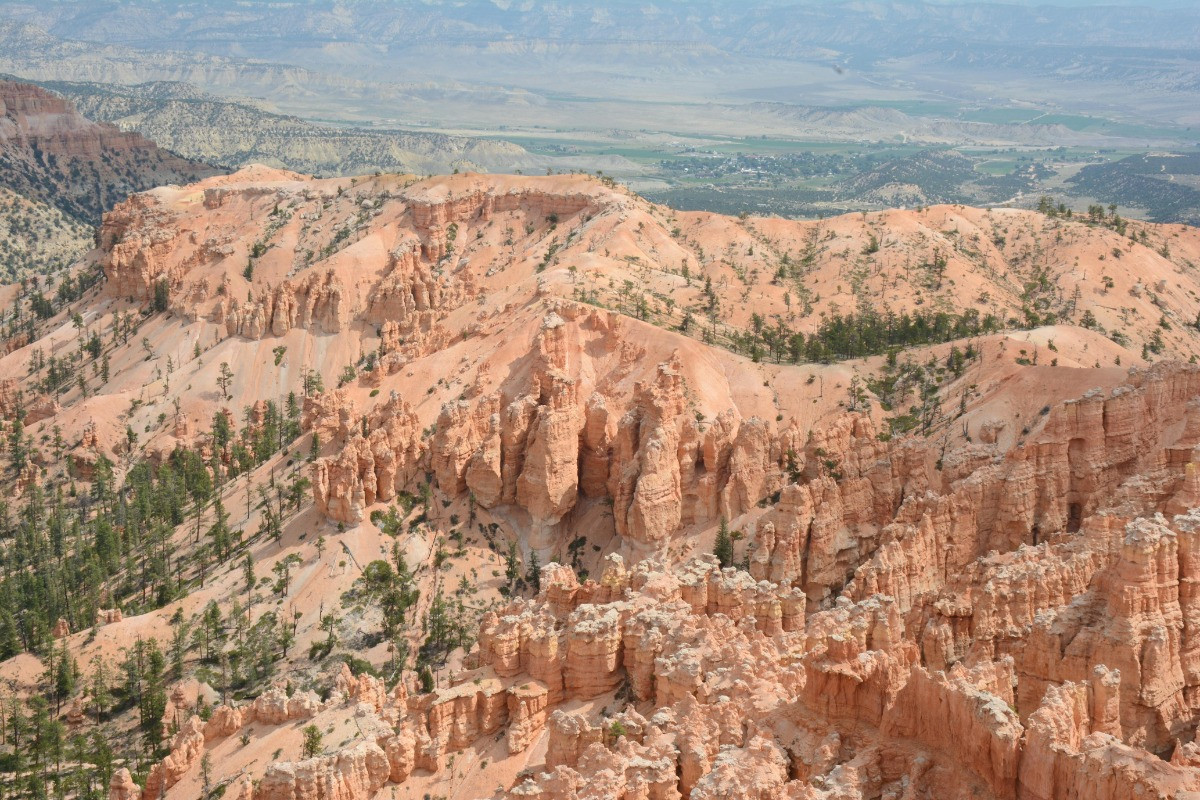
Utah’s Scenic Byway 12 feels like three national parks stitched together by a road that never runs out of drama. Hoodoos, slickrock, alpine forests, and high desert plateaus unfold in a sequence that keeps your eyes wide and your camera busy. The roadway is well-maintained, yet it includes serious grades and a famous knife-edge ridge known as the Hogback, so it rewards confident driving and careful planning.
Campgrounds straddle the route with a mix of national park options, forest service campgrounds, and private RV parks in small towns like Tropic, Escalante, and Boulder. Book early in peak seasons and watch elevation as you choose sites, since nights can run cool at higher points even when the sun feels warm during the day. The payoff for staying along the route is dawn light on orange towers and nights with skies so dark the Milky Way looks close enough to touch.
This is a road where your day trip plan matters, because spur roads and scenic drives can be steep, rough, or narrow. Many RVers base camp and explore by tow vehicle or toad, then return to a comfortable site for stargazing and dinner under canyon walls. Fuel planning deserves respect, and topping off earlier than you think necessary keeps the day stress-free.
Hiking variety makes this region unforgettable, from easy rim walks to slot canyons and forested trails near Boulder Mountain. Every mile seems to hold a surprise, like a hidden waterfall or an overlook that frames an entire geologic story in a single sweep. You will leave Byway 12 with red dust on your boots and a sense that you only scratched the surface, which is the best reason to come back.
5) Overseas Highway, Florida Keys
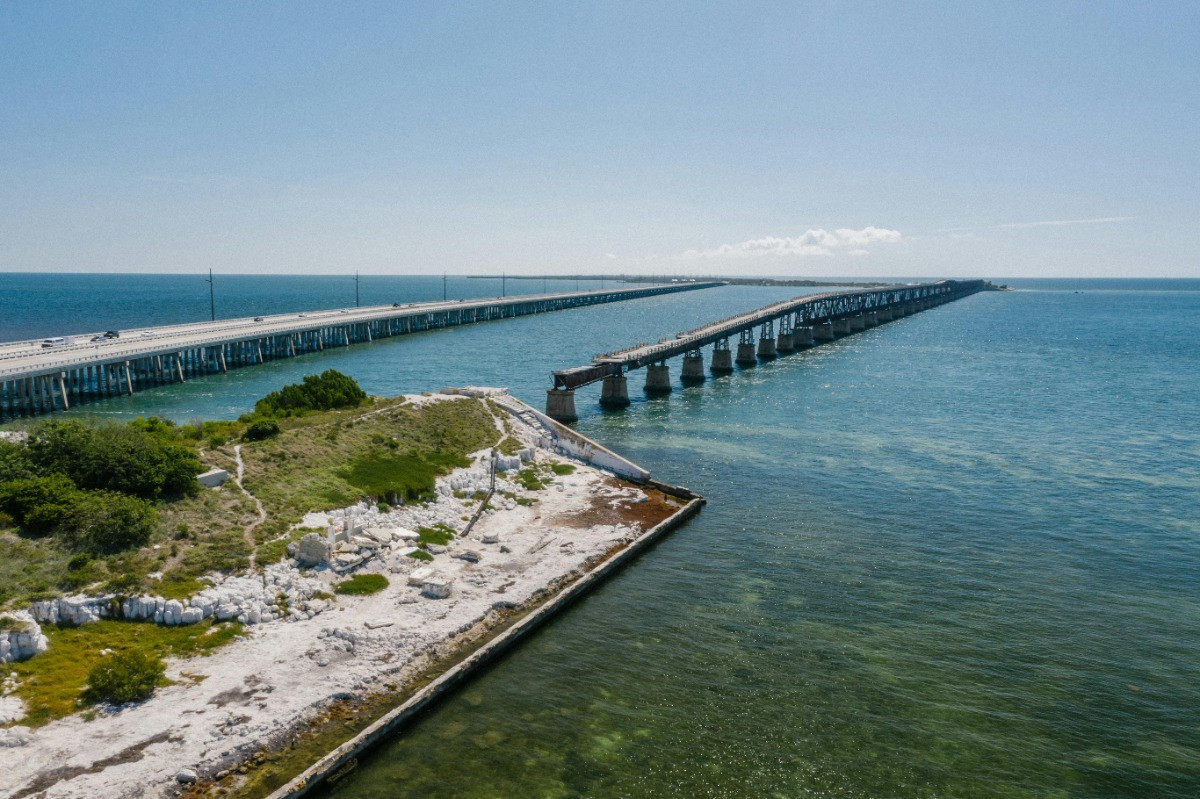
Driving the Overseas Highway feels like sailing in slow motion, since the road leaps from key to key over sparkling water that shifts from turquoise to deep blue. U.S. 1 runs about 113 miles from the mainland to Key West, and nearly every stretch offers water views that make you glance twice just to be sure they are real. RVers love this drive for its straight lines, generous causeways, and abundant state parks that sit right on the shoreline.
Reservations matter more here than most places, especially in winter and early spring when snowbirds flock south for sunshine and sea breezes. State parks like Bahia Honda and private resorts with RV sites offer premier water access, and many travelers plan stays of several nights to slow down and savor the island rhythm. Fishing charters, snorkeling trips, and sunset cruises add layers to the trip without requiring long drives.
Wind, salt, and sun become the elements to consider, so cover anything stored outside, check seals, and bring shade solutions for campsites with open exposure. Afternoon storms can bloom and pass quickly, leaving behind some of the most dramatic sunsets you will see anywhere. Mornings favor calm water and gentle light, which makes coffee outside the rig feel like a small luxury you will remember long after you get home.
Food plays a starring role along the Keys, with local seafood, key lime desserts, and roadside stands that turn fresh catch into dinner with minimal fuss. Bike paths and walking trails dot the islands, and bridge views transform even a simple errand into a scenic experience. The Overseas Highway proves that you do not need mountains to have a grand adventure.
Trip-Planning Tips for Scenic RV Drives
- Choose daily distances you can enjoy, not endure, and leave room for an unplanned stop that becomes the day’s highlight.
- Book high-demand campgrounds early in peak seasons, then keep a short list of backup parks within a reasonable detour.
- Track height, weight, and length, and store those numbers where you can see them, since clearances and grades appear when you least expect them.
- Watch weather and wind, because gusts and crosswinds change how a big rig feels, especially near coasts and over high passes.
- Fuel earlier than necessary, particularly in rural or mountain regions where services can spread out.
- Use pullouts generously, letting faster traffic pass and giving yourself time to cool brakes, snap photos, and enjoy the view.
- Carry paper maps as a backup, since cell coverage can drop in canyons, forests, and remote ridgelines.
- Plan a base-camp strategy for tight byways, using your tow vehicle or toad for day excursions on narrower roads.
How To Pace a Multi-Day Scenic Drive
Pacing makes the difference between a string of chores and a moving retreat, so start by picking anchor stops two or three nights apart and fill gaps with short scenic days. Think of the drive like a series of chapters, with each chapter ending at a campsite you want to enjoy rather than a lot you want to leave behind as quickly as possible. If you love sunrise photography, plan earlier arrivals and quiet evenings; if you chase golden hour hikes, build in slow mornings and a midafternoon roll time that lines up with the light.
Meal planning becomes simple when you stock regional staples along the way, because local produce and small-town markets turn dinner into part of the adventure. Keep a flexible pantry that can handle a surprise bakery or seafood shack, and lunch will take care of itself, especially with picnic pullouts that deserve more than a glance from the windshield. The best trips balance motion and stillness until your days feel like they are breathing.
How To Match Your Rig to the Road
Matching the road to your rig grows confidence, so choose routes with easy pullouts and modest grades if you are new to towing or driving a larger coach. Shorter wheelbases handle tight curves more comfortably, while long coaches shine on broad parkways and coastal highways with steady lines and wide shoulder space. Whatever you drive, a well-maintained braking system, fresh tires, and current service checks transform a pretty drive into a relaxed one.
Navigation apps help with routing, yet nothing beats a quick call to a campground about local quirks such as sharp turns, low branches, or municipal rules that surprise newcomers. Locals love sharing the easiest fuel station for big rigs or the best time of day to cross a narrow bridge without drama. When you blend that advice with your own comfort level, you will find a sweet spot where the drive feels like part of the vacation rather than a task you must finish.
When To Go for Ideal Conditions
Seasonal timing shapes these drives, so think shoulder seasons for many mountain and desert routes and make reservations early for coastal or Keys travel in winter. Spring wildflowers on the Blue Ridge change the mood entirely from the fire-lit colors of October, while Utah’s high desert shines in late spring and early fall when the sun sits lower and the air cools quickly at night. The Pacific coast dances with fog and light that shifts by the hour, which turns your camera roll into a study of mood and motion.
Crowds ask for patience on popular sections in midsummer, yet long daylight hours translate to more time at overlooks and beaches. Autumn rewards planners with crisp air, steady weather windows, and colors that turn even a simple turnout into a postcard. The best trips align your preferences with the road’s personality, which is the art of travel in an RV.
See Scenic America in an RV from Berryland Campers
Your next great drive could be a ridgeline with a soft blue horizon, a cliff above a restless ocean, a Southern byway lined with history, a red rock ribbon carved into stone, or a bridge hopping across clear water toward a sunset. Each of these five routes delivers the scenery you crave with the practical details RVers need, and each can be tailored to your rig, your schedule, and your travel style. When you are ready to match a road with the right RV, contact Berryland Campers and let us help you choose a floorplan, set up your tow vehicle, and walk you through the gear that turns a good trip into a great one.