
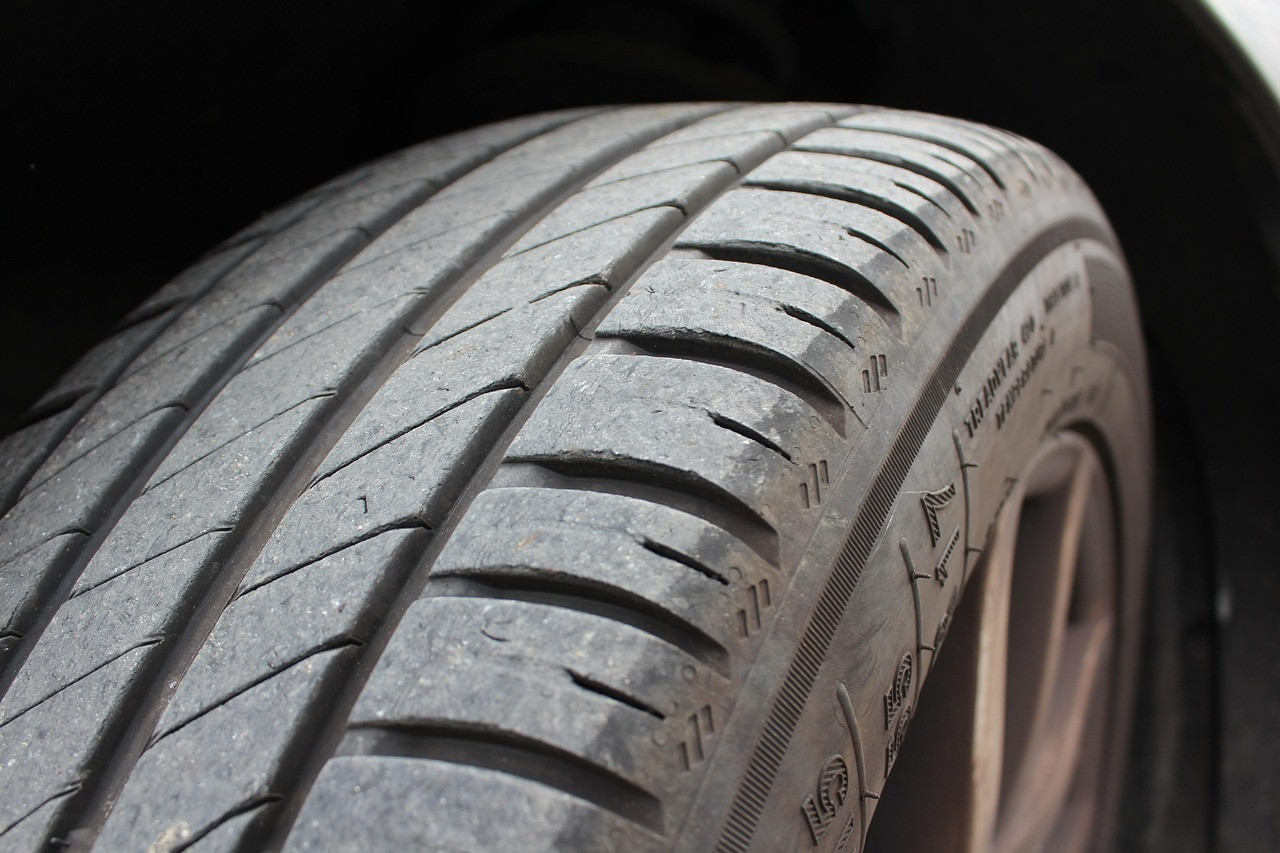
How to Check and Maintain Tire Pressure on Your RV
Tires carry the whole trip, literally supporting every mile and every turn. However, tire underinflation builds heat, stresses the casing, and invites blowouts, while overinflation shrinks the contact patch, dulls braking, and makes every expansion joint feel harsh. Correct pressure keeps the footprint even and the structure cool, which translates into steadier towing, predictable steering, and shorter stopping distances. Fuel economy improves when rolling resistance is under control, and suspension parts last longer because the tires absorb the abuse they were designed to handle. A quick, repeatable pressure routine, done cold before you leave the driveway or campsite, preserves that balance and keeps your plans on time.
Why Tire Pressure Matters
Correct pressure protects the tire from heat, which is the main enemy on long highway days. It also keeps the contact patch where it belongs, so steering feel and braking stay predictable. Fuel economy improves when rolling resistance is under control, and suspension parts last longer because the tires are doing their job rather than passing every jolt into the coach.
Know Your Numbers: Where do the right figures come from? Start at the driver door placard on motorhomes or tow vehicles and inside the RV for many trailers. Those placards show recommended cold inflation values for front and rear axles, sometimes with separate numbers for dual rears. For trailers, you will often see a note to inflate special trailer tires to the sidewall maximum when loaded near capacity. That guidance matters because trailer tires carry high vertical loads and build heat quickly.
What about load tables? Tire makers publish charts that match pressure to weight on each tire position. If you weigh your axles or, better yet, each corner, you can set very precise pressures. Most owners rely on placards unless they run heavy and often, in which case a scale visit gives useful clarity.
Cold Pressure Explained: Why do people insist on “cold” readings? Pressure rises as the tire warms, and it warms within minutes of driving. A cold check means the RV sat for a few hours and has not been driven more than a short neighborhood roll. Set your numbers cold, then let normal heat add a little pressure as you travel. Do not bleed air from a hot tire to make it match the cold target. That habit leaves you underinflated once the tire cools.
Gear You Will Use Often: A small kit makes the routine quick. Choose a quality gauge that reads your pressure range clearly. Many RV tires sit well above passenger car values, so pick a gauge with enough headroom and a solid chuck that seals on metal valve stems. Carry a portable compressor that can reach your target without struggling. Add metal valve caps with seals, a valve core tool, a spray bottle with soapy water for leak checks, and a headlamp for early starts. Owners of dual rears or inner wheels benefit from a dual-foot chuck or valve extensions rated for the pressure your tires run.
How To Check Pressure Step by Step
Step 1 Park And Cool Down: Set the rig on level ground and let the tires cool. A morning check works well at the campsite or in your driveway.
Step 2 Inspect Before Measuring: Walk the rig and look for nails, bulges, sidewall cracks, and uneven wear. Problems you can see often point to pressure or alignment issues underneath.
Step 3 Measure Each Position: Check every tire, including the spare. Motorhomes read front left and right, then rear left and right, plus inner duals where equipped. Trailers read every axle position. Write the number down so you can compare side to side.
Step 4 Adjust To Target: Inflate or deflate to the cold target. Use short bursts with a reliable compressor, then let the tire rest a moment and recheck so the reading settles.
Step 5 Seal And Recheck: Tighten metal valve caps with finger pressure. A quick pass with soapy water around the valve shows bubbles if a core is loose. Tighten with the core tool a quarter turn at a time until bubbles stop.
Setting Pressures For Different Rigs
Motorhomes carry more weight over the front axle than many drivers expect, especially in diesel pushers with large windshields and slide mechanisms. Front tires often need higher pressure than a typical pickup, while dual rears may use a different number because the load splits across two tires. Follow the placard unless your corner weights and tire charts suggest a specific adjustment.
Towable trailers lean on tire stiffness for stability. Many special trailer tires are designed to run at the sidewall maximum cold pressure to keep heat low and sidewalls firm. That practice reduces sway and shoulder wear, especially when the trailer is near its gross weight. The tow vehicle still follows its own placard, which may differ front to rear depending on hitch weight.
Temperature, Altitude, And Travel Days
Does the weather change your plan? Temperature shifts move pressure up and down. Cold mornings often reveal a couple of pounds below target, while hot afternoons push readings higher. Set pressure cold at your campsite or driveway and accept reasonable increases on the road. Altitude affects readings slightly, yet the bigger driver is heat from speed and load. The rule holds: set cold, then leave hot tires alone.
Long days deserve mid-trip checks. A fuel stop is a good time to scan for unusual heat with a hand hover near, not on, the sidewall. Excess heat compared to neighboring tires hints at underinflation, a dragging brake, or a bearing issue. If a tire seems much hotter than the rest, pull to a safe area, let it cool, and investigate before you continue.
TPMS: Helpful, Not A Replacement
A tire pressure monitoring system adds a layer of protection because it watches for rapid loss or unusual temperature. That warning buys time to exit safely rather than discovering a shredded tire after damage is done. TPMS does not replace a cold morning check with a manual gauge. Sensors can drift, batteries weaken, and valve hardware ages. Use both, the gauge for baselines and the TPMS for live alerts.
Maintenance Routine You Can Keep
Build a simple cadence that fits real life. Check pressures before every travel day. Scan tread and sidewalls during fuel or rest stops. Perform a deeper inspection monthly, which includes a lug torque check with the correct wrench, a look at valve stems for cracking, and a quick leak test of any tire that loses more than a couple of pounds between trips. Record numbers in a small notebook or notes app so patterns stand out.
Signs You Need Professional Help
Persistent air loss, rapid shoulder wear, scalloping, or heat that runs much higher on one position all suggest an underlying issue. Bearings, brakes, alignment, worn bushings, or bent components can overload a tire even when pressure is correct. A shop that understands RV chassis can measure, diagnose, and correct the cause rather than chasing symptoms.
How Berryland Campers Supports Your Tire Routine
Berryland Campers helps owners set realistic pressure targets, choose the right gauges and compressors, and build a routine that fits their travel pattern. The service team can weigh your rig, interpret tire load charts, and set baselines for each axle. Technicians can replace aging valve stems with rated metal hardware, install or pair TPMS sensors, and rotate or balance assemblies when wear calls for it. The parts counter stocks quality gauges, dual chucks, portable compressors, valve caps with seals, and replacement stems so you leave prepared for the season.
Ready To Keep Your Tires Trip Ready?
Start with a cold check this week and write the numbers down. If you want help setting targets, weighing your RV, or upgrading stems and tools, visit Berryland Campers or call to schedule a tire health review. Confident miles begin with steady pressure and a routine you can repeat on every trip.