
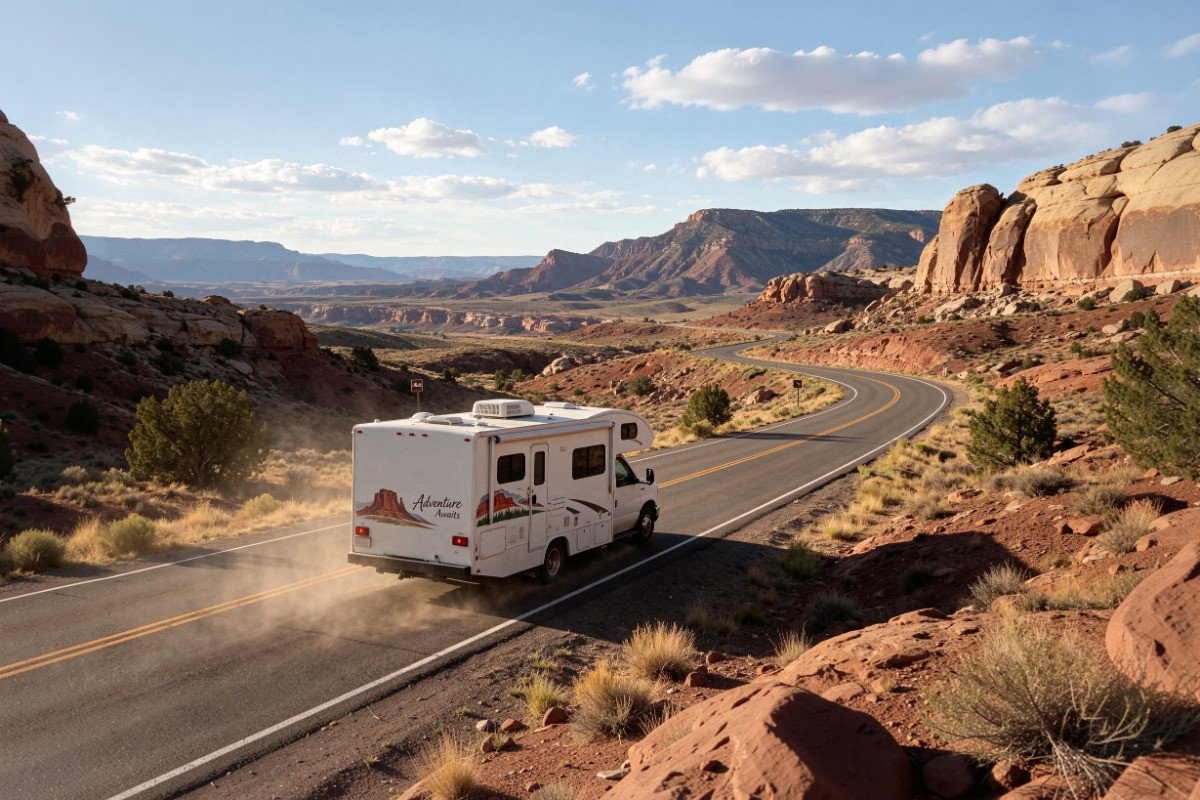
How to Plan a Multi-State RV Trip Without Getting Overwhelmed
There is something exciting about looking at a map and realizing just how many incredible places you could visit on one RV adventure. From scenic mountain highways and beautiful lakes to charming small towns and famous national parks, a multi-state RV trip offers opportunities that traditional vacations rarely match. However, planning a journey that crosses several state lines can quickly become overwhelming when you start thinking about driving distances, campground reservations, fuel expenses, and everything else involved in traveling with your home on wheels. The good news is that organizing an enjoyable RV road trip does not require a complicated itinerary or months of stressful preparation. With the right approach, you can create a manageable travel plan that leaves plenty of room for spontaneous adventures.
Start by Deciding What Kind of Trip You Actually Want
Before choosing destinations or making campground reservations, think about what you want to experience during your travels. Are you hoping to explore national parks, spend time relaxing beside the water, visit historic attractions, or experience several different regions of the country? Having a general idea of your priorities makes it considerably easier to narrow down potential destinations without feeling like you need to visit every interesting place along the way.
It also helps to consider the people traveling with you. A couple interested in hiking and sightseeing might enjoy a more adventurous itinerary, while families with younger children may prefer campgrounds with swimming pools, playgrounds, and convenient recreational activities. Choosing destinations that accommodate everyone's interests helps ensure the trip feels like a vacation rather than an exhausting series of compromises.
Build Your Route Around a Few Important Destinations
One of the biggest mistakes people make when planning a multi-state RV trip is trying to visit too many places in too little time. When you start researching attractions, it can be tempting to add another national park, scenic overlook, or interesting town every time something catches your attention. Unfortunately, squeezing too many destinations into your itinerary can leave you spending more time behind the wheel than actually enjoying the places you traveled to see.
Instead, identify three or four major destinations that matter most to you and build your route around them. These locations can serve as the foundation of your itinerary, while smaller attractions become optional stops along the way.
For example, someone traveling from Louisiana toward the Rocky Mountains might organize their trip around a handful of destinations in Texas, New Mexico, and Colorado rather than attempting to explore every attraction in each state. This approach creates a sense of direction without requiring you to schedule every moment of your vacation.
How Far Should You Drive Each Day?
Driving an RV requires a different approach than traveling in a regular passenger vehicle. Even if you are comfortable spending eight hours behind the wheel of your car, covering that same distance in a large motorhome or while towing a travel trailer can feel considerably more demanding. Traffic, unfamiliar roads, changing weather conditions, and the additional attention required when maneuvering a larger vehicle can make long driving days exhausting.
Many experienced RV travelers prefer limiting their daily driving to approximately 200 to 300 miles, although the ideal distance depends on your experience, equipment, route, and personal comfort. Shorter travel days provide opportunities to stop for meals, stretch your legs, and arrive at your campground with enough daylight to set everything up comfortably.
Remember that driving time estimates do not necessarily account for fuel stops, rest breaks, traffic delays, or slower travel speeds. Giving yourself a generous time cushion makes unexpected interruptions much easier to handle.
Choose Campgrounds Before Finalizing Your Itinerary
Finding suitable campgrounds is one of the most important parts of planning a successful multi-state RV trip. Although you might have a particular destination in mind, the availability of RV-friendly accommodations can influence when you arrive and how long you stay. Popular campgrounds near major attractions frequently fill up well in advance, particularly during holidays and peak vacation seasons.
Start by researching campgrounds near your primary destinations, paying attention to site dimensions, electrical hookups, water availability, sewer connections, and any restrictions involving RV length or vehicle type. Some campgrounds offer spacious pull-through sites that make arriving and departing easier, while others require more careful maneuvering into back-in spaces.
You should also consider the campground's surroundings and amenities. A peaceful location outside a busy tourist area might provide a more relaxing atmosphere, even if it requires a little extra driving to reach nearby attractions. Selecting accommodations that match your travel preferences can make a significant difference in how much you enjoy each stop.
Not Every Road Is Suitable for Every RV
Navigation deserves special attention when traveling through unfamiliar states, especially if you own a larger motorhome or tow a fifth wheel. Routes that appear convenient on a standard navigation app may include low bridges, narrow roads, steep grades, or restrictions that make them unsuitable for certain recreational vehicles.
Using navigation tools designed for RV travel can help you identify routes that accommodate your vehicle's height, length, weight, and other relevant dimensions. However, these tools are not infallible, so posted road signs and official restrictions should always take priority.
Before leaving for a new destination, review the route and identify any areas that could present challenges. Spending a few extra minutes checking your directions is far more enjoyable than discovering that your RV cannot safely navigate a particular road.
Create a Realistic Budget Without Tracking Every Dollar
A multi-state RV adventure can involve several different expenses, some of which are easy to underestimate when planning your first major trip. Fuel, campground reservations, groceries, attraction admission fees, and occasional restaurant meals all contribute to your overall travel costs.
Fuel deserves particular attention because recreational vehicles generally consume more fuel than ordinary passenger cars, especially when towing. Estimating your total mileage and using a conservative fuel economy figure can help you establish a reasonable transportation budget. Remember to account for additional driving when exploring attractions after setting up camp.
Campground costs also vary considerably depending on location and available amenities. A basic campsite at a public campground may be substantially less expensive than a full-service RV resort near a popular tourist destination. Mixing different accommodation styles throughout your itinerary can help keep expenses manageable.
Finally, consider setting aside some money for unexpected situations. Whether you encounter a minor repair, decide to extend your stay somewhere special, or discover an attraction you had not originally planned to visit, having a little flexibility in your budget allows you to enjoy those opportunities without worrying about every additional expense.
What Should You Know About Traveling Across State Lines?
Crossing state borders is generally straightforward, but regulations and travel conditions can differ depending on where you are going. Certain states have specific requirements involving trailer equipment, vehicle dimensions, towing configurations, and other aspects of RV travel. Checking the applicable rules before departing helps prevent unpleasant surprises.
If you plan to visit national parks or other protected areas, it is also worth researching campground regulations, entrance fees, vehicle restrictions, and reservation requirements. Some destinations have limited availability for larger RVs, while others require advance arrangements for particular activities or attractions.
Weather Can Change Your Entire Travel Experience
When your itinerary stretches across several states, you may encounter dramatically different weather conditions during the same trip. A comfortable morning in one region can turn into an afternoon of intense heat, heavy rain, or strong winds as you travel farther along your route. Mountain destinations may experience cold temperatures even when lower elevations remain warm, while severe thunderstorms can create challenging driving conditions in other areas. Researching typical seasonal weather patterns and checking forecasts throughout your journey helps you pack appropriately, select suitable routes, and recognize when adjusting your schedule is the safer choice.
Make Travel Days as Simple as Possible
Moving between campgrounds involves more than simply starting your vehicle and heading toward the next destination. You will need to secure loose belongings, disconnect utilities, retract equipment, and complete any necessary preparations before getting back on the road. After arriving, the process happens in reverse as you position the RV, level it when necessary, and reconnect your campground utilities.
Developing a consistent departure and arrival routine can make these transitions much less stressful. A simple checklist helps ensure important steps are not overlooked, especially when multiple people are helping prepare the RV for travel.
It is also helpful to avoid scheduling major sightseeing activities immediately after a long drive. Giving yourself time to settle into your campsite, prepare a meal, and relax can make the following day's adventures considerably more enjoyable.
Keep Meals Simple While Traveling
One of the greatest conveniences of RV travel is having access to your own kitchen, but that does not mean you need to prepare elaborate meals every day. Stocking your refrigerator and pantry with versatile ingredients makes it easier to put together satisfying breakfasts, lunches, and dinners without spending too much vacation time cooking. Planning a few reliable meals before departure can also reduce unnecessary grocery stops, particularly when traveling through remote areas where shopping options may be limited. At the same time, leaving room in your plans to enjoy local restaurants and regional specialties adds another enjoyable dimension to the trip.
What Happens When Your Plans Change Unexpectedly?
Even carefully organized RV trips rarely unfold exactly as expected. A campground reservation might need to change, an attraction could close unexpectedly, or severe weather may encourage you to stay in one location longer than planned. These situations can feel frustrating when your itinerary leaves little room for adjustments.
Rather than treating every reservation and activity as an obligation, build flexibility into your schedule. Identify alternative campgrounds along your route, keep a few travel days relatively open, and avoid making every stop dependent on reaching the previous destination at a precise time.
If something unexpected happens, remember that changing your plans does not mean your trip has been ruined. Sometimes a detour introduces you to a beautiful destination you would never have discovered otherwise.
Make Sure Your RV Is Ready Before Leaving
Preparing your recreational vehicle before a major road trip is one of the simplest ways to reduce unnecessary stress. Inspecting tires, checking fluid levels where applicable, testing lights, examining seals, and verifying that essential systems operate properly can help identify problems before you travel hundreds of miles from home.
Your preparation should also include basic emergency supplies, appropriate tools, a first-aid kit, and any equipment needed to handle minor issues. If you are unsure whether your RV needs maintenance, arranging a professional inspection before departure can provide additional reassurance.
Do You Need to Plan Every Stop in Advance?
Not necessarily. In fact, leaving portions of your itinerary open can make a multi-state RV trip considerably more enjoyable. While reservations near popular destinations may need to be arranged well ahead of time, quieter locations sometimes offer opportunities for more spontaneous travel.
The key is understanding which parts of your trip require commitments and which can remain flexible. If visiting a particular national park is your main priority, securing nearby accommodations should probably come first. However, if you are simply traveling between two major destinations, allowing yourself to choose an interesting overnight stop along the way can make the journey feel more adventurous.
Remember to Enjoy the Journey, Not Just the Destination
It is easy to become so focused on reaching the next campground that you forget why you wanted to travel in the first place. Some of the most memorable moments of an RV trip happen during ordinary afternoons spent exploring small towns, relaxing beside a lake, or enjoying a quiet evening outside your camper. Giving yourself permission to slow down makes these experiences possible.
A successful multi-state RV trip is not measured by how many attractions you visit or how many miles you cover. What matters is creating an experience that feels rewarding, comfortable, and enjoyable for everyone traveling with you. Sometimes that means spending an extra day somewhere beautiful, while other times it means skipping an attraction because everyone would rather relax.
Get Ready for Your Next Adventure With Berryland Campers
Planning a multi-state RV trip becomes much easier when you have a comfortable, reliable recreational vehicle that suits your travel preferences. Whether you are preparing for your first extended road trip, upgrading to a larger camper, or exploring different RV layouts for future adventures,
can help you find the right fit. With a wide selection of recreational vehicles and a team ready to help you explore your options, Berryland Campers makes it easier to prepare for the journeys ahead. Visit us to discover your next RV and start planning an adventure filled with exciting destinations, unforgettable experiences, and the freedom to explore at your own pace.