
Make-Ahead Meals for RV Trips: Save Time and Stress
Hitting the road should feel like freedom, not a juggling act between scenic detours and a sink full of dishes, which is why make-ahead meals are one of the smartest habits any RVer can build. Planning, prepping, and packing food before you leave reduces decision fatigue, lowers costs, and keeps everyone fueled when checkout times, campground arrivals, and long driving legs collide. With a little structure, your cooler becomes a calm, organized pantry on wheels rather than a chaotic game of edible Tetris.
Why Make-Ahead Wins on the Road
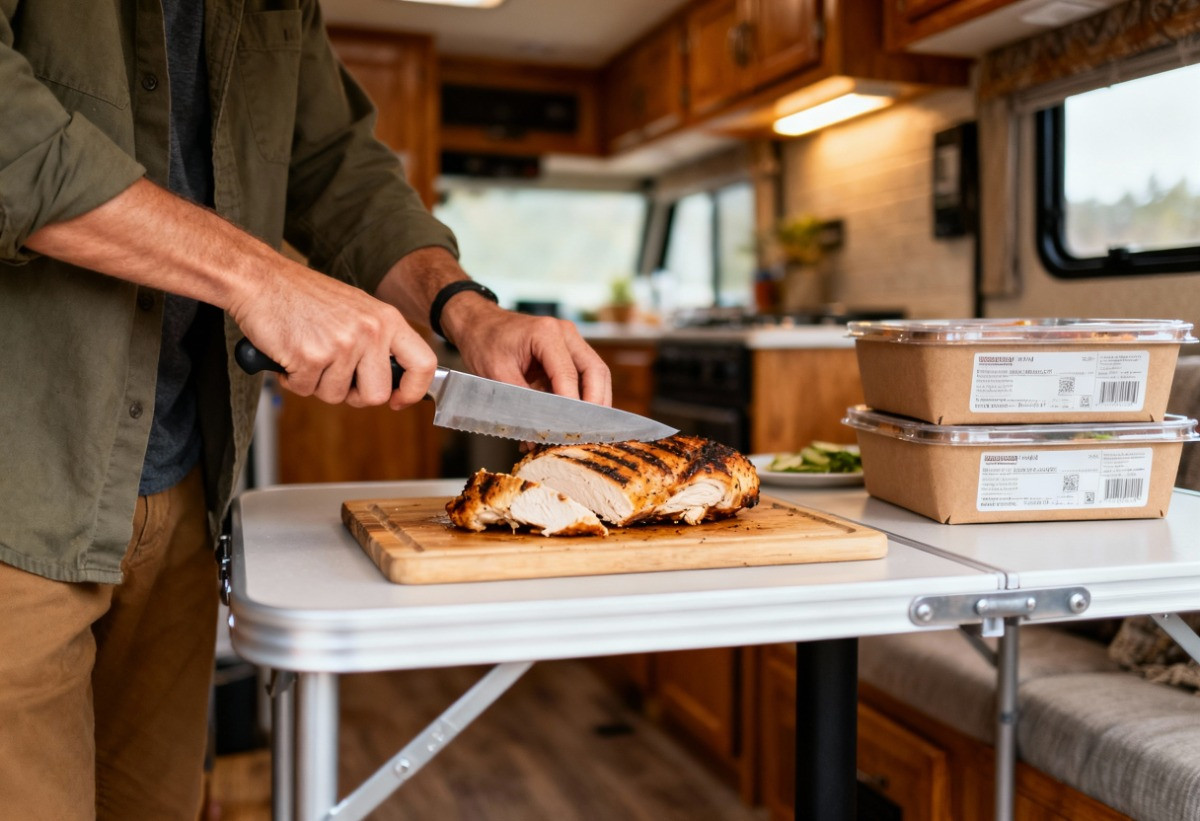
Cooking in advance front-loads the effort while you have a full kitchen, stable counter space, and your favorite tools, which means you avoid tricky knife work on a tiny dinette after a long drive. Prepped meals also mitigate campsite variables like unexpected rain, dwindling daylight, or power limitations, since most components only need reheating or simple assembly. Because you control ingredients and portions ahead of time, you can stretch your grocery budget and avoid last-minute splurges that derail both nutrition and costs.
How Much Should You Prep?
A useful rule is to fully prepare two dinners and two lunches for every three travel days, then pack building blocks to fill the gaps, a pattern that balances variety with simplicity. Freezer-friendly entrees cover the first days when you are still settling in, while marinated proteins and par-cooked grains support fast skillet meals later in the trip. This mix prevents menu fatigue, still protects your schedule, and gives you just enough flexibility to embrace a spur-of-the-moment seafood market or roadside produce stand.
What Makes a Meal “RV-Friendly”?
RV-friendly meals are compact to store, resilient under vibration, and easy to reheat with limited burners or a small convection oven, so casseroles in shallow containers, stews in freezer bags, and sheet-pan portions excel. Recipes should tolerate a brief temperature swing when the fridge door opens repeatedly during travel days, which means stable sauces, sturdy grains, and vegetables that do not weep excessively. Wherever possible, choose dishes that use one pan at the campsite, because a single pot to wash after sunset is the kind of luxury that turns a good evening into a great one.
Which Containers Actually Work Best?
Sturdy, stackable rectangles maximize fridge and freezer space far better than round bowls, while quart and gallon freezer bags can be frozen flat to create space-saving, file-folder layers. Label everything with the dish name, date, and reheating directions, then add any allergens or spice levels for easy sorting when multiple family members have different needs. If you use glass, select tempered pieces with locking lids to prevent rattling and spills, and always pad gaps with tea towels to curb clattering on bumpy roads.
Do You Need a Different Grocery Strategy for RV Trips?
Think of your shopping as two waves, a pre-trip stock-up on long-life items and a quick local top-off for fresh produce and dairy near your first campground. Shelf-stable bases like rice, quinoa, pasta, and canned beans guarantee dinner even if the campsite store is closed, while a small basket of local vegetables adds color and crunch. Because cooler space is precious, prioritize high-impact items like hard cheeses, eggs, yogurt, and smoked meats that do more than one job across several meals.
The Power of Par-Cooking
Par-cooking saves time without sacrificing texture, which makes it perfect for RV kitchens where burner space is limited. Roast potatoes to just tender, boil pasta to firm, and cook grains to slightly shy of done, then finish them quickly at the campsite for that fresh, just-cooked bite. Proteins benefit from this approach as well, since grilled chicken or roasted pork, sliced and cooled, can be revived with a quick sear in a hot skillet and taste newly made.
Cold-Start Breakfasts That Travel Well
Overnight oats, chia puddings, and boiled eggs deliver reliable energy with zero morning cleanup, an advantage when you need to break camp efficiently. Prep individual portions in small jars so each traveler can grab a preferred flavor, then add fresh fruit or nut butter before eating. If you prefer savory breakfasts, pack mini frittatas baked in muffin tins, because they reheat in moments and pair with fruit or a small salad for a balanced plate.
Lunches That Survive a Hike or a Drive
Wraps and grain bowls hold up far better than delicate sandwiches, especially when you pack wetter elements like tomatoes in separate containers to add at the last minute. A base of quinoa, brown rice, or farro keeps you full, while rotisserie-style chicken, beans, or canned fish deliver protein without extra cooking. A small jar of vinaigrette transforms leftovers into something lively, and because it travels at room temperature for short stretches, it is an easy companion for trailheads or scenic pullouts.
Dinners You Can Reheat Without Drama
Stews, chilis, and braises are unmatched for low-stress dinners, since they thaw evenly, tolerate reheating, and taste even better after a day or two. Enchiladas, stuffed shells, and baked ziti also shine, storing flat for efficient stacking and sliding straight into a compact oven. If you prefer lighter fare, marinated kebab kits travel beautifully, because the work is already done and you can grill them quickly while watching the sunset.
What About Power and Fuel Constraints?
Because hookups vary, plan for redundancy so your meals do not depend on a single appliance, packing at least one option that can be warmed on a stovetop, in an oven, or in a microwave. If you anticipate boondocking, favor meals that reheat quickly and avoid long simmer times, a choice that conserves propane and keeps interior heat manageable. Cold assemblies like salads with hearty grains or deli platters offer true no-cook nights, helpful when fuel is low or temperatures are high.
Food Safety Without the Stress
Safe refrigeration starts with pre-chilling everything before loading your RV fridge, since warm items raise the internal temperature and tax the system. Use an appliance thermometer to confirm your fridge stays at or below 40 degrees Fahrenheit, then store raw proteins on the lowest shelf in leakproof containers. When in doubt, thaw items in the fridge rather than on the counter, and reheat leftovers until steaming hot, small habits that prevent problems when you are miles from the nearest clinic.
Can You Still Be Flexible if You Prep Ahead?
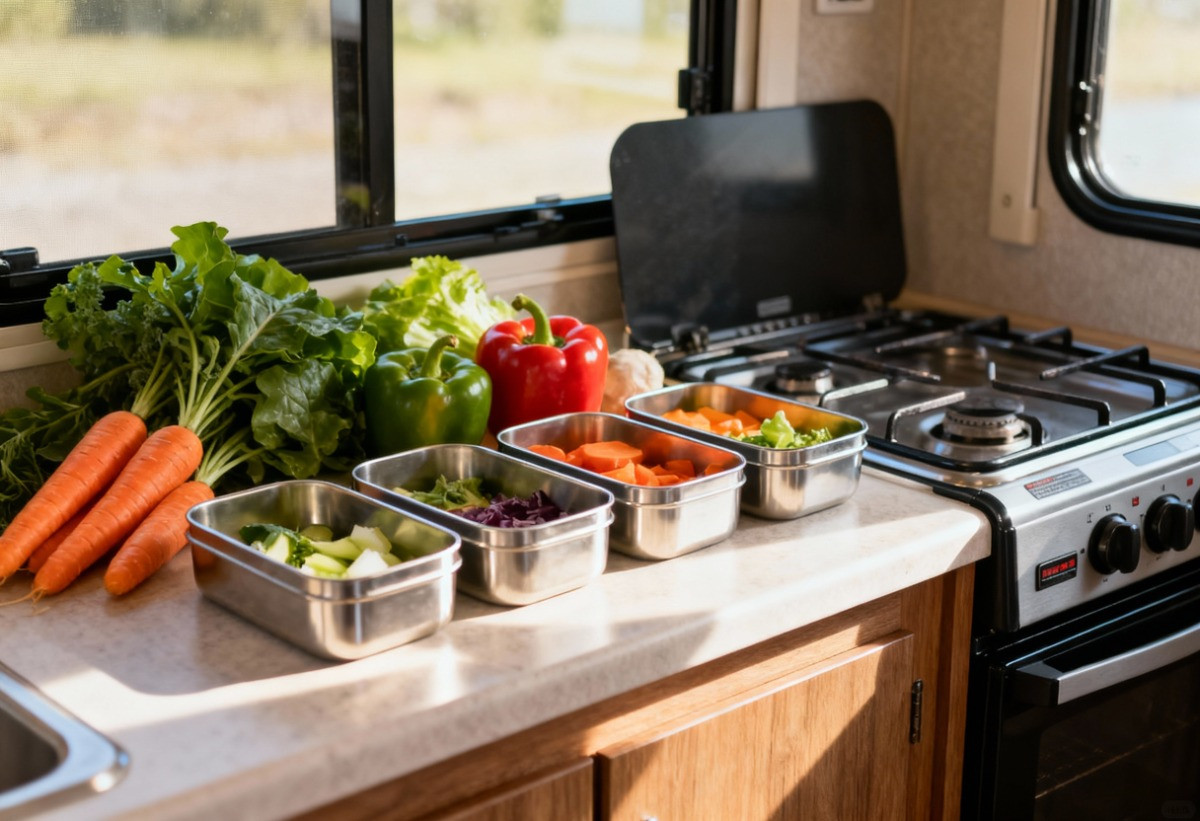
Prepping in modules preserves spontaneity, because you can pair a cooked protein with whatever local produce looks best or stretch a stew by stirring in fresh greens. Keep one or two wildcard slots on the menu to sample a regional specialty, then fold those ingredients into your plan rather than treating them as extras. This mindset turns preparation into a platform rather than a prison, letting you say yes to the unexpected without wasting food or time.
A Weekend Prep Workflow You Can Repeat
- Plan the Route and Meals: Sketch your travel days, driving windows, and likely arrival times, then assign low-effort dinners to late nights and no-cook lunches to the longest drives.
- Build a Short Master Menu: Choose two freezer-friendly dinners, two portable lunches, and modular breakfasts, then confirm overlap in ingredients to simplify shopping.
- Shop Once, Chop Once: Wash produce, portion proteins, and par-cook grains in a single session, keeping a clean station for raw items and a second station for ready-to-eat components.
- Pack Flat, Label Clearly: Freeze stews and sauces in bags laid flat, stack casserole tins in order of use, and label each item with the name, date, and reheating notes.
- Stage the RV Kitchen: Load the fridge with the first two days of meals in front, reserve the freezer for later in the trip, and place a small basket with spices and oils within easy reach.
Kid-Approved Snacks and Simple Sides
Snack boxes prevent constant grazing and reduce crumbs, so pack crunchy vegetables, cheese cubes, trail mix, and a small sweet for a balanced, portable treat. For sides, think speed and satisfaction, such as couscous that steeps in hot water, pre-washed salad kits, or microwaveable rice for nights when the main dish already carries the flavor. If you have a small grill, corn in foil and skewered vegetables turn any basic protein into a complete meal with very little mess.
Make-Ahead for Special Diets Without Extra Work
When traveling with gluten-free, dairy-free, or vegetarian diets, build meals around neutral bases like rice, potatoes, beans, and roasted vegetables, then add sauces or toppings at the table. Keep a separate labeled container for each specialized component so the right person can customize quickly without slowing dinner for everyone else. Because these elements overlap across multiple dishes, you maintain a single prep plan while respecting each traveler’s needs.
Sauces, Rubs, and Marinades That Do the Heavy Lifting
Flavor concentrates add variety without occupying much space, a trait that matters when your fridge is packed with larger items. A small lineup of all-purpose rubs, citrusy marinades, and jarred pestos can make chicken taste new, brighten roasted vegetables, and transform a humble grain bowl. By rotating sauces across the week, you create the feeling of a fresh menu even though the core ingredients remain familiar and easy to manage.
Smart Hydration and Beverage Prep
Pre-mix a simple electrolyte base with citrus, a pinch of salt, and a light sweetener, then store it in a bottle for quick dilution, a habit that keeps everyone hydrated on hike days. Freeze a few bottles of water to use as supplemental ice packs, allowing them to melt into cold drinks by the second afternoon. If you enjoy coffee, cold-brew concentrate is the most RV-friendly option, since it stores compactly and delivers consistent flavor with hot or cold water.
Cleanup Systems That Keep Spirits High
Cleanup is faster when you reduce tools, so aim for a single cutting board, a lidded nonstick skillet, and a medium pot that handles soups, pasta, and grains. Use silicone spatulas and collapsible colanders to save space, then set a standing rule that the cook does not wash dishes, a division that encourages teamwork after long drives. Keep a caddy with biodegradable soap, scrubbers, and towels near the sink so you can reset the kitchen in minutes and get back to relaxing.
Sample Menu You Can Borrow Tonight
A three-day loop might start with baked ziti and salad on arrival night, followed by grain bowls with grilled chicken and vegetables, then finish with chili and cornbread on a cool evening. Lunches could rotate between turkey hummus wraps, quinoa tabbouleh with feta, and hearty bean and corn salad, each relying on the same base ingredients. Breakfasts might include yogurt parfaits, egg muffins, and peanut butter banana wraps, giving you quick options that never feel repetitive.
Can You Prep Without Losing the Joy of Cooking?
Many travelers worry that make-ahead routines will drain the spontaneity from meals, yet the opposite is usually true when the plan is simple. Because the big decisions are already made, you get to focus on the fun parts, like grilling under string lights or plating dinner during a sunset, small rituals that make the food taste better. With the stress removed, you also tend to cook a little more creatively, turning leftovers into quesadillas or folding roasted vegetables into a frittata without thinking twice.
The Berryland Campers Way
We have seen hundreds of customers fall in love with RV life once mealtime becomes predictable in the best possible sense, planned but still flexible. Make-ahead meals become the backbone of a smoother trip, saving time on busy days and creating breathing room for hikes, campfire stories, and last-minute detours. Because your kitchen is now a travel companion rather than a chore list, you end each day satisfied, well fed, and ready for tomorrow’s adventure.
Ready To Eat Better on Your Next Trip?
If you are planning a weekend escape or mapping a cross-country loop, Berryland Campers can help you choose an RV kitchen that matches your cooking style, from fridge capacity to oven options and smart storage. Visit our showroom to walk through models, open cabinets, and imagine how your menu might come together on the road, then leave with a rig that truly fits your routine. Bring your favorite make-ahead recipes, ask our team for layout tips, and start your next trip with meals that save time, reduce stress, and make every mile taste a little better.