
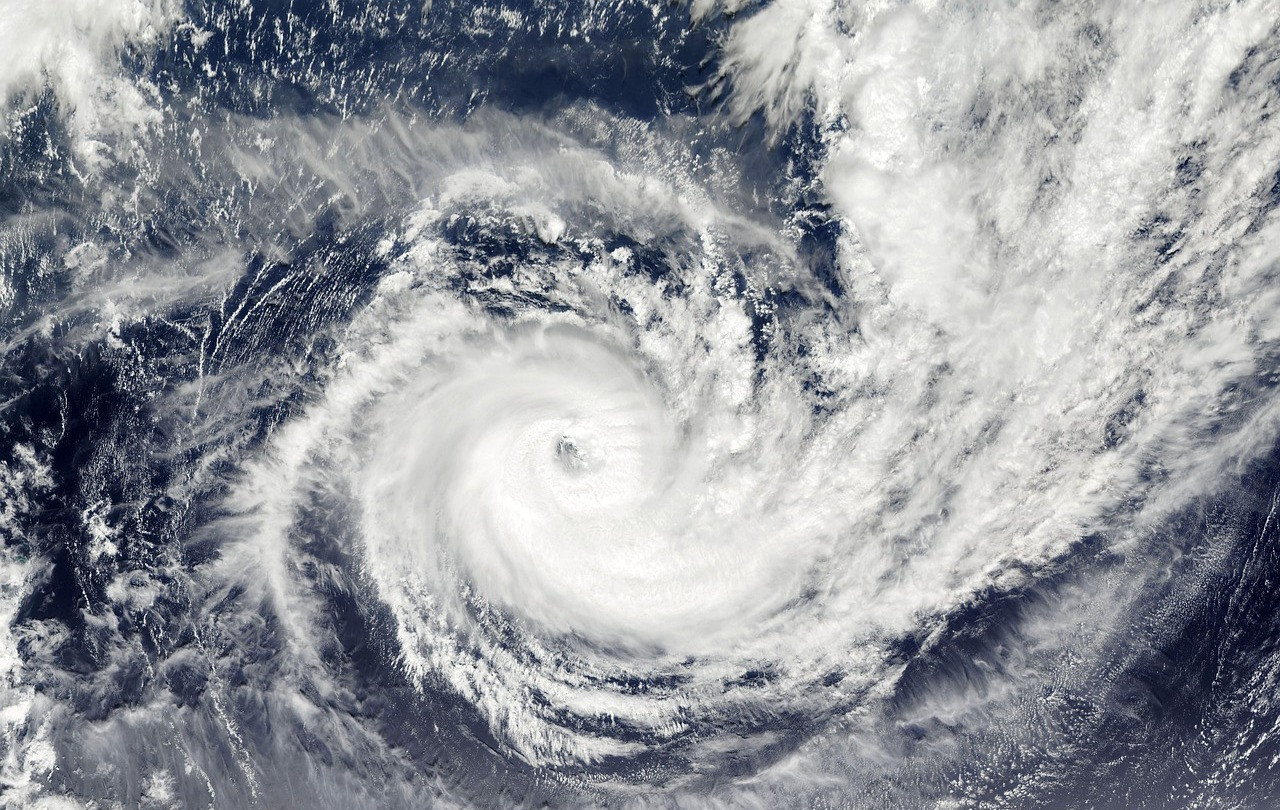
RVing During Hurricane Season in the South: Travel Smart, Stay Safe
Hurricane season across the Gulf and Atlantic coasts can coexist with great road trips if you approach every mile with clear eyes and a flexible plan, because preparation turns uncertainty into manageable risk while still letting you chase warm water, coastal food, and those long southern sunsets that make RV travel so satisfying. Berryland Campers wants everyone to maximize their motorhoming experiences while still staying secure. Therefore, we’ve put together some masterful tips to help keep your cool when situations start to heat up during hurricane season.
Why Hurricane Season Requires a Different RV Mindset
RV travel gives you mobility that fixed homes do not enjoy, yet that same mobility can lead to complacency if you underestimate how quickly tropical systems organize and how far their impacts reach. Treat the self-contained nature of your rig as a buffer for brief disruptions rather than a shield against serious wind, surge, or extended power loss.
When Is Hurricane Season, Really?
The official Atlantic hurricane season runs from June 1 through November 30, although out-of-season storms occasionally appear in late spring or early winter, which means southern travelers should keep a weather eye open any time warm water and lingering fronts overlap. Planning with the full window in mind helps you avoid crowded evacuation periods and lets you pick inland bases that keep the coast within day-trip range.
Historical patterns show the most active stretch often falls from mid-August to late October, with a typical peak around early to mid-September, so your trip cadence should bend toward inland loops during those weeks while keeping coastal stops short and flexible. Moderating your route by a few dozen miles inland can dramatically improve safety without sacrificing the flavor of the Gulf South.
What Forecasts Matter Most for RVers?
Daily tropical outlooks are helpful for big-picture awareness, yet the actionable items are the advisories and updates issued as a disturbance turns into a named storm, because those products define watches and warnings that translate into decisions about moving your rig. Learn the forecast cone, but remember hazards extend outside it, especially rainfall, tornadoes, and feeder-band winds that wobble well beyond the center.
Local National Weather Service discussions add vital context about rivers, bayous, and surge-prone corridors that a national map may not emphasize, so pair national guidance with local office updates for the parish or county you are camping in. This combination lets you decide whether to relocate inland early rather than waiting for the last vacancy or the last full tank.
Choose Routes and Parks With Exit Plans
Camp on high ground near multiple highways or state routes instead of dead-end peninsulas, barrier islands, or single-bridge inlets that can close quickly under mandatory orders or high-wind restrictions. Favor parks that publish clear cancellation and evacuation policies, and prefer sites with spacious pull-throughs that let you hitch, roll, and go without elaborate backing or long check-out lines.
Build a Go-Early, Go-Far Evacuation Rule
Create a simple rule before your trip that says you will leave when a hurricane watch is posted for your zone or when a reliable two-day track suggests gale-force winds near your campground, because clarity beats second-guessing when timelines shrink. Choose at least two inland destinations that are several hours apart and preprogram them into your navigation, then keep a printed version in the glove box in case cell service dips.
Fuel, Water, and Power Planning That Works
Keep your fuel level high during active periods, topping off whenever you pass a major station along your route since lines grow long once watches appear. Carry enough fresh water for at least seventy-two hours, keep your batteries charged, and test your generator under load with doors and windows cracked for ventilation while using a carbon monoxide detector to protect the cabin.
Manage waste tanks proactively before a stormy stretch, because dump stations can close or flood when local crews prioritize sandbags and pumps. Stock shelf-stable meals that do not require extended cooking, rotate ice packs through the freezer, and stage a cooler for perishables in case you need to travel with the refrigerator off during a long relocation.
Can Your RV Withstand Tropical-Storm Winds?
Most RVs are not designed to ride out sustained tropical-storm winds, particularly when broadside to gusts or parked under mature trees, so safe practice is to relocate inland rather than shelter in place once strong winds enter the forecast. Retract slides and awnings well before conditions deteriorate, secure or stow anything that can turn into debris, and orient the nose of a tow vehicle or motorhome into the probable wind direction if you must remain temporarily.
Leveling systems and stabilizers reduce sway and vibration but do not transform a coach into a storm shelter, which means the smart move during a strong system is a day or two in a hardened building inland. View your RV as a comfortable way to evacuate rather than a structure designed to ride out the core of tropical weather.
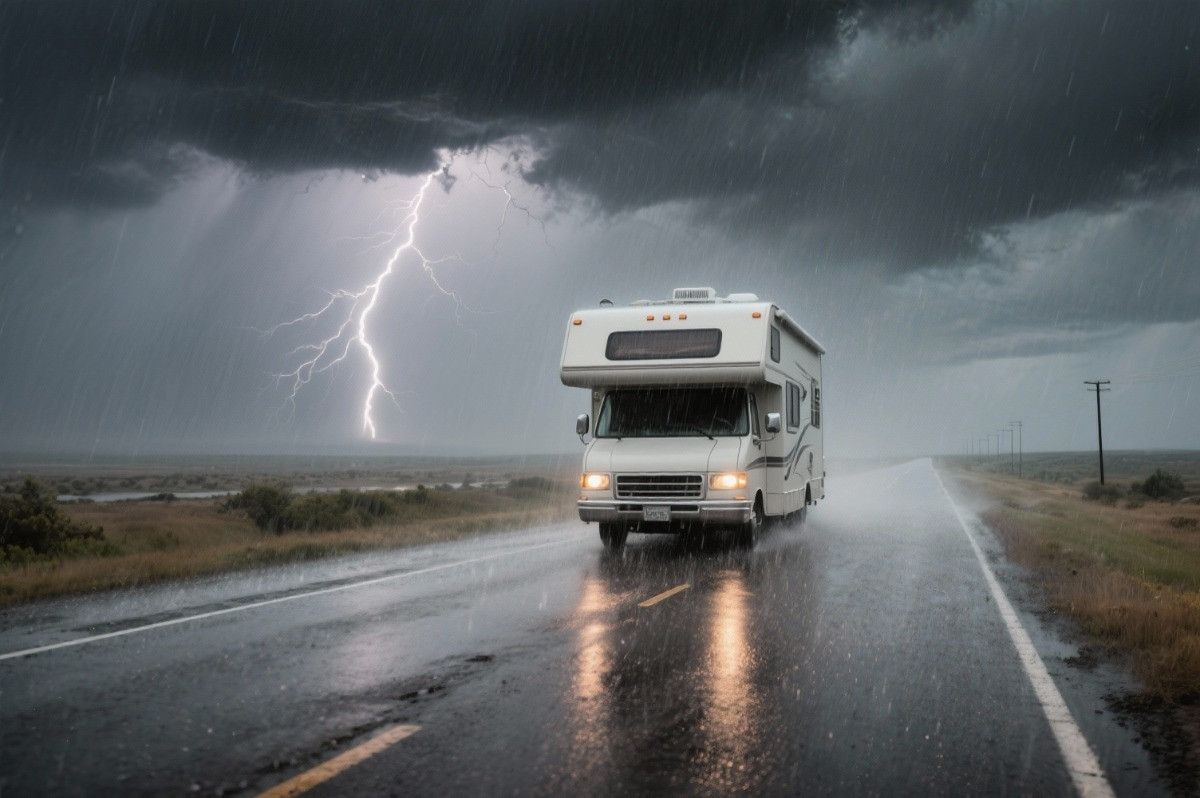
The Smart Way to Book Campgrounds During Uncertain Weeks
Use reservations with flexible cancellation windows, then pair each coastal stop with a shadow booking inland during the peak weeks so you can pivot without stress. Shorten your coastal stays to two or three nights during active periods, keep your hitch gear ready, and check in with campground staff about their evacuation protocols when you arrive.
Pre-Storm Securing Steps You Can Do in Minutes
Walk your site and remove windborne clutter by storing chairs, mats, grills, and small tools inside, then lock storage bays to prevent accidental openings. Unplug shore power if lightning approaches, close propane valves, tidy hoses and cords, verify roof vents are seated, and add extra wheel chocks so a gust cannot nudge your rig.
Rain, Flooding, and Surge Are Bigger Threats Than Wind
Southern travelers often underestimate how quickly low spots fill when feeder bands train over the same county, which is why you should avoid sites near drainage ditches, underpasses, or tidal creeks that back up with surge. Never drive through standing water because depth and road integrity are hard to judge, and plan routes that avoid known floodways even if they add time.
Towing and Driving Tactics in Gusty Weather
Reduce speed, increase following distance, and avoid high bridges or long spans when gusts climb since crosswinds can push trailers toward lane edges and magnify sway. Distribute weight properly inside the trailer, keep the heaviest items low and centered, and use your brake controller smoothly to prevent overcorrections that compound sway with each gust.
Communication Tools That Still Work When Cell Service Sags
Carry a weather radio that receives local alerts without data, because cell networks can slow under heavy use even before winds arrive. Download offline maps, share your relocation plan with a friend outside the region, and default to text messages when signals weaken since texts often thread through congested networks when calls fail.
Medical and Insurance Readiness You Can Control
Pack an extra supply of prescriptions, store copies of your scripts and insurance cards in a waterproof pouch, and keep an expanded first-aid kit that includes treatments for heat stress, minor cuts, and insect bites. Add a list of your providers and emergency contacts so you can hand the essentials to responders without unlocking a phone.
Review your RV and tow vehicle coverage for named-storm or evacuation provisions, confirm how claims are filed if your location changes mid-trip, and take photos of your rig inside and out at each stop so you can document pre-storm condition. Store serial numbers and VINs in both digital and printed forms, and maintain a modest emergency fund for lodging or repairs if a detour runs longer than expected.
Pets and Kids Need Their Own Plan
Create a dedicated pet kit with food, medications, vaccination records, collapsible bowls, leashes, and a familiar blanket so anxious animals settle faster when the weather turns. Prepare comfort kits for children with snacks, quiet activities, and a small flashlight each, then involve them in simple tasks like stowing gear so they feel capable rather than scared.
Should You Shelter in Place or Relocate Inland?
Sheltering in place might be reasonable only when you are far from the core hazards, on high ground, and near a sturdy building that can host you if winds escalate, yet most southern RV itineraries bring you within easy range of feeder bands and flood-prone approaches. A conservative choice is to move inland by at least forty to sixty miles, shifting onto higher terrain with multiple exit routes and reliable services.
Mandatory evacuation orders override personal thresholds because traffic control, bridge closures, and surge zones change the map in ways that private judgment cannot anticipate. Respect local guidance, leave earlier than the crowd, and treat inland layovers as a chance to explore small towns, state forests, and historic routes that often become trip highlights.
After the Storm, What Should You Check First?
Inspect the roof, seals, and accessories before reconnecting power, since dislodged covers or branches can create short circuits that you may not notice from the ground. Sniff for propane, look for water intrusion around slides and vents, test outlets with a simple plug-in tester, and avoid downed lines or standing water near electrical boxes at campgrounds.
Seasonal Route Ideas That Keep You Close but Safer
Base out of inland hubs like Baton Rouge, Lafayette, Hattiesburg, Tallahassee, or the northern skirts of San Antonio, then treat the coast as a series of day runs when the forecast cooperates. This pattern protects your flexibility, reduces the need to cross long bridges under marginal winds, and still delivers the seafood, beaches, and music that brought you south in the first place.
Simple Gear That Punches Above Its Weight
A good set of chocks, an extra water filter, quality tie-downs, and heavy-duty plastic bins for quick stowage make site breakdown faster when the forecast nudges you inland. Pair those basics with headlamps, a tire inflator, a torque wrench for lug nuts, and work gloves so you can move confidently even if rain arrives earlier than expected during a relocation window.
Food, Coolers, and Fridge Strategy That Survives Detours
Choose dense, high-calorie foods that tolerate warmth during brief outages, prechill a cooler with ice packs, and open the refrigerator only when necessary to preserve cold air. Pre-cook proteins before the active stretch so you can reheat quickly on a small stove once you settle inland, and label bins so the right meal surfaces without rummaging in the dark.
Community, Courtesy, and Coordination on the Road
Storm periods compress a lot of travelers into fewer inland parks, so patient communication makes everyone safer, from sharing the last available dump station times to yielding a pull-through to a late arrival towing a heavy fifth wheel. Ask staff about local detours, offer quick help to neighbors when safe, and keep your site tidy so crews can clear branches or check utilities without delays.
How Berryland Campers Helps You Travel Smarter During Hurricane Season
Berryland Campers can walk your rig through a pre-season health check that covers tires, brakes, batteries, sealants, roof accessories, air conditioning shrouds, and generator function, which reduces the chance that a hurried move inland is complicated by preventable maintenance issues. A technician can verify your hitch setup, inspect your trailer brake wiring, and confirm that your spare is roadworthy, all of which matter when traffic builds and detours appear.
Shoppers exploring a new or upgraded rig can lean on the team for layouts that make fast transitions easier, such as wide pass-through storage, simple slide footprints, and onboard power that supports relocation days. Staff can also share practical checklists, local route wisdom across Louisiana and neighboring states, and gear recommendations that fit your budget without adding clutter to the cabin.
Plan Your Hurricane-Ready RV Adventure With Berryland Campers
Safe RV travel during hurricane season depends on early decisions, inland options, and a rig that is ready to roll when the forecast turns, and Berryland Campers is here to help you fine-tune all three. Reach out to schedule a pre-trip inspection, explore models that fit your travel style, or ask for a simple packing and relocation checklist, then chart a southern route that keeps the coast within reach while keeping your family comfortably ahead of the weather.