

How to Choose the Best RV Campsite (Back-In vs. Pull-Through Explained)
Choosing the right campsite can make the difference between a relaxing getaway and an unnecessarily stressful arrival. While many RV owners focus on campground amenities or nearby attractions when making reservations, the type of campsite you select deserves just as much attention. A site that matches your RV, towing setup, and camping style can make parking easier, improve your outdoor living space, and help you enjoy your trip from the moment you pull in.
Many campgrounds offer both back-in and pull-through campsites, and each option has its own advantages. Neither is automatically better than the other because the ideal choice depends on your RV's size, your level of experience, how long you plan to stay, and the campground itself. Understanding the differences before booking helps you avoid surprises after a long day on the road.
Understanding the Two Main Types of RV Campsites
The names describe how you enter the campsite. A back-in site requires you to reverse your RV into the parking area, while a pull-through site allows you to drive straight in and, when it's time to leave, simply pull forward to exit.
Although the distinction sounds simple, it affects nearly every part of your camping experience. Setup time, available outdoor space, privacy, vehicle positioning, and even how easily you connect to utilities can vary depending on which type of site you reserve.
Why Many New RV Owners Prefer Pull-Through Sites
Pull-through campsites are often the least intimidating option for beginners because they eliminate the need to back a large RV into a confined space. Instead of worrying about mirrors, steering corrections, and careful communication with a spotter, you can simply drive forward into position.
That convenience becomes especially valuable after spending several hours on the highway. Fatigue naturally reduces patience and concentration, so arriving at an easy-to-access campsite allows you to finish setting up more quickly and begin enjoying your vacation.
Pull-through sites are also popular among travelers making overnight stops rather than weeklong stays. If you're simply resting before continuing your trip the next morning, minimizing setup and departure time can make travel much more enjoyable.
Back-In Campsites Often Offer More Character
Although backing into a campsite may require a little more practice, many experienced RV owners actually prefer back-in sites. These campsites are frequently located farther from campground roads, providing a quieter atmosphere and a greater sense of privacy.
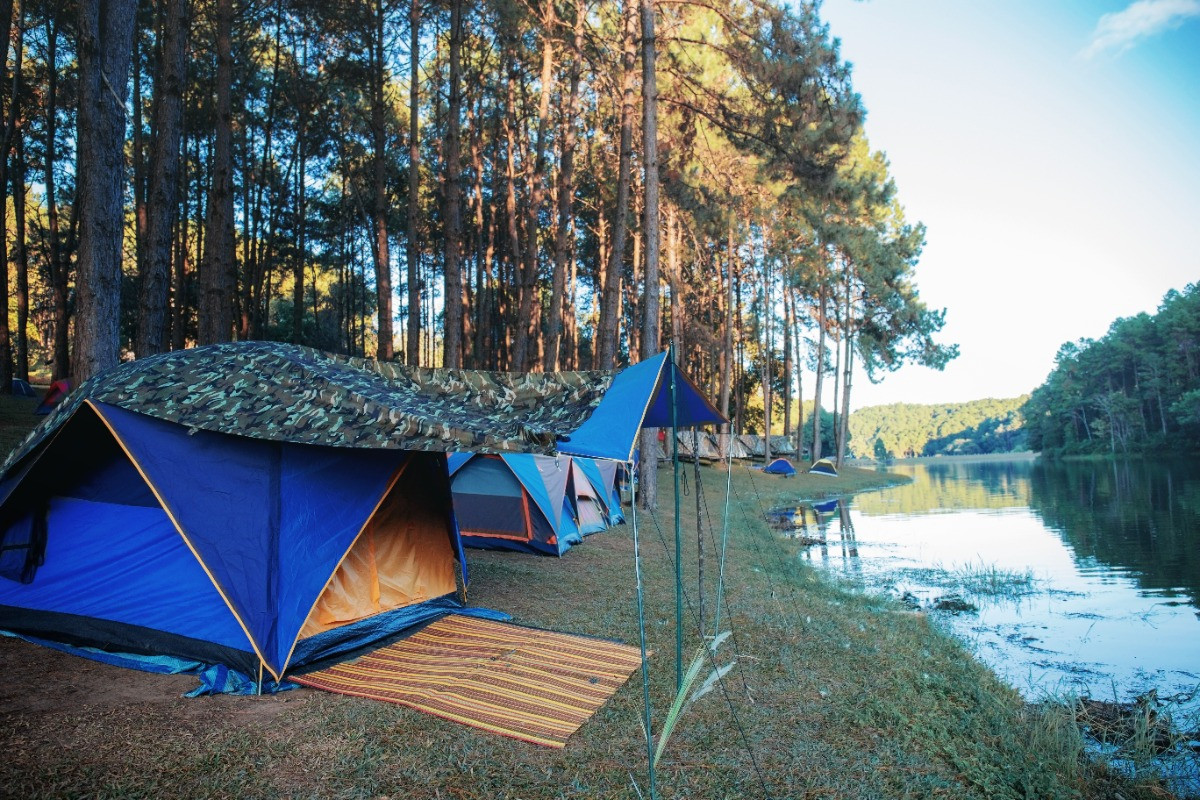
Many older campgrounds were originally designed around back-in sites, which means they often feature mature trees, more natural landscaping, and layouts that feel less like a parking lot. Instead of lining up beside several neighboring RVs, you may find yourself facing a wooded area, a lake, or another scenic feature.
For campers planning to spend several days or even weeks in one location, the additional effort required during arrival often pays off with a more enjoyable outdoor living space.
Which Campsite Is Better for Large RVs?
The answer depends on both the RV and the campground. Larger motorhomes, fifth wheels, and long travel trailers can certainly fit into back-in sites when they are properly designed, but maneuvering requires more room and more attention.
Pull-through sites reduce much of that complexity by allowing drivers to maintain forward movement throughout the parking process. This can be especially helpful for newer RV owners who are still becoming comfortable with vehicle dimensions and turning characteristics.
At the same time, many premium campgrounds build oversized back-in sites specifically for larger RVs. Looking beyond the site's label and reviewing its actual dimensions is often more important than choosing one type over another.
Length Matters More Than Many Campers Realize
One of the first specifications to review when booking any campsite is its maximum length. Remember that campground measurements may refer only to the parking pad rather than the total space available for your RV and tow vehicle.
Leaving a little extra room is almost always worthwhile. Parking becomes less stressful, utility hookups are generally easier to reach, and you have more flexibility when leveling the RV.
Don't Ignore the Campsite Layout
Length is important, but it tells only part of the story. A campsite with plenty of room may still present challenges if nearby trees, utility pedestals, retaining walls, picnic tables, or large rocks limit your turning radius.
Many campground websites now provide photographs or satellite views that allow you to evaluate individual campsites before making a reservation. Taking a few minutes to examine these images can help you identify potential obstacles that are not obvious from the written description alone.
Pay attention to the angle of the entrance road as well. Sharp turns leading into narrow campsites may require additional maneuvering, particularly for longer RVs.
Utilities Should Be Easy to Reach
Every RV campsite positions utility connections a little differently. Water, electrical hookups, sewer connections, and cable service are usually located near one side of the campsite, but their exact placement varies.
Choosing the correct orientation becomes especially important with back-in sites because your hookups are designed to align with a specific side of the RV. Parking too far forward or backward may leave hoses and power cords stretched farther than intended.
Before leaving home, verify that you have extension cords, water hoses, and sewer equipment that match your RV and the campgrounds you expect to visit. Carrying a few extra accessories provides flexibility when hookups are not ideally positioned.
Is Privacy Important to You?
Some campers view the RV primarily as a comfortable place to sleep before spending the day exploring nearby attractions. Others enjoy relaxing under the awning, cooking outside, reading, or spending hours around the campfire. If you fall into the second group, campsite privacy deserves careful consideration.
Back-in sites often position the patio side of the RV toward trees, grassy areas, or natural scenery instead of facing another camper. Depending on the campground, this arrangement can create a more peaceful outdoor environment with less vehicle traffic passing nearby.
Pull-through sites, by comparison, are sometimes arranged in parallel rows for maximum efficiency. While these sites remain perfectly comfortable, they may place neighboring RVs closer together than some campers prefer.
Practice Makes Backing Much Easier
Many first-time RV owners worry about backing into campsites, but the skill improves surprisingly quickly with practice. Learning how your RV responds to steering inputs, understanding mirror placement, and making small adjustments instead of large corrections all contribute to smoother parking.
Using a spotter also makes a significant difference. Establish clear hand signals before beginning, communicate calmly, and move slowly enough that adjustments can be made safely whenever necessary.
Empty parking lots provide an excellent place to practice before your first camping trip. Setting up cones or markers allows you to simulate campground conditions without the pressure of an audience waiting behind you.
Think About How Long You'll Be Staying
Your travel plans should influence the type of campsite you reserve. Campers staying only one night often appreciate the speed and convenience of pull-through sites because setup can be kept to a minimum.
Longer vacations create different priorities. Once the RV is parked for several days, the quality of the campsite itself becomes far more important than the few extra minutes required to back into it. Scenic views, outdoor space, shade, and privacy frequently outweigh the convenience of an easier arrival. Thinking about your entire stay, rather than just the parking process, often leads to a more satisfying camping experience.
Shade Can Improve Comfort Throughout Your Stay
A shaded campsite can significantly improve comfort during warmer months by helping reduce heat buildup inside the RV. Trees may also create a more enjoyable outdoor seating area during the afternoon.
There are tradeoffs, however. Large branches require careful attention when parking, and falling leaves, sap, or pine needles may increase cleaning and maintenance. Some heavily wooded sites may also reduce satellite reception if you rely on satellite television or internet equipment.
Finding the right balance between shade, clearance, and convenience often depends on the season and your personal camping preferences.
Ask Questions Before Reserving
Not every campground uses identical definitions when describing campsites. Some pull-through sites are exceptionally spacious, while others offer only enough room to enter and exit without backing. Likewise, some back-in sites provide generous maneuvering space, while others require more precise parking.
If photographs or maps leave you uncertain, don't hesitate to contact the campground directly. Staff members can often recommend campsites based on your RV's length, towing setup, slide-outs, or accessibility needs. Providing accurate information about your RV helps campground staff suggest options that are more likely to fit comfortably.
Every RV Owner Develops Personal Preferences
As you gain experience, you'll likely discover that your preferred campsite depends on the destination rather than following a single rule. Some trips call for the efficiency of a pull-through site, while others are better suited to a quiet back-in campsite tucked beneath mature trees.
The important thing is understanding how each option fits your camping style. Looking at campground maps, reviewing site dimensions, considering your RV's size, and thinking about how you'll spend your time after arriving all contribute to making the best choice.
Find the Right RV for Every Adventure
Whether you enjoy quick overnight stops or extended vacations at your favorite campground, choosing the right RV is the first step toward making every trip more enjoyable. As you become familiar with campsite layouts, parking techniques, and campground planning, you'll find that both back-in and pull-through sites have valuable advantages.
Berryland Campers is here to help you find an RV that fits your travel style, experience level, and future adventures. Whether you're purchasing your very first camper or upgrading to a larger model, our knowledgeable team can answer your questions and help you prepare for countless memorable trips on the road.