
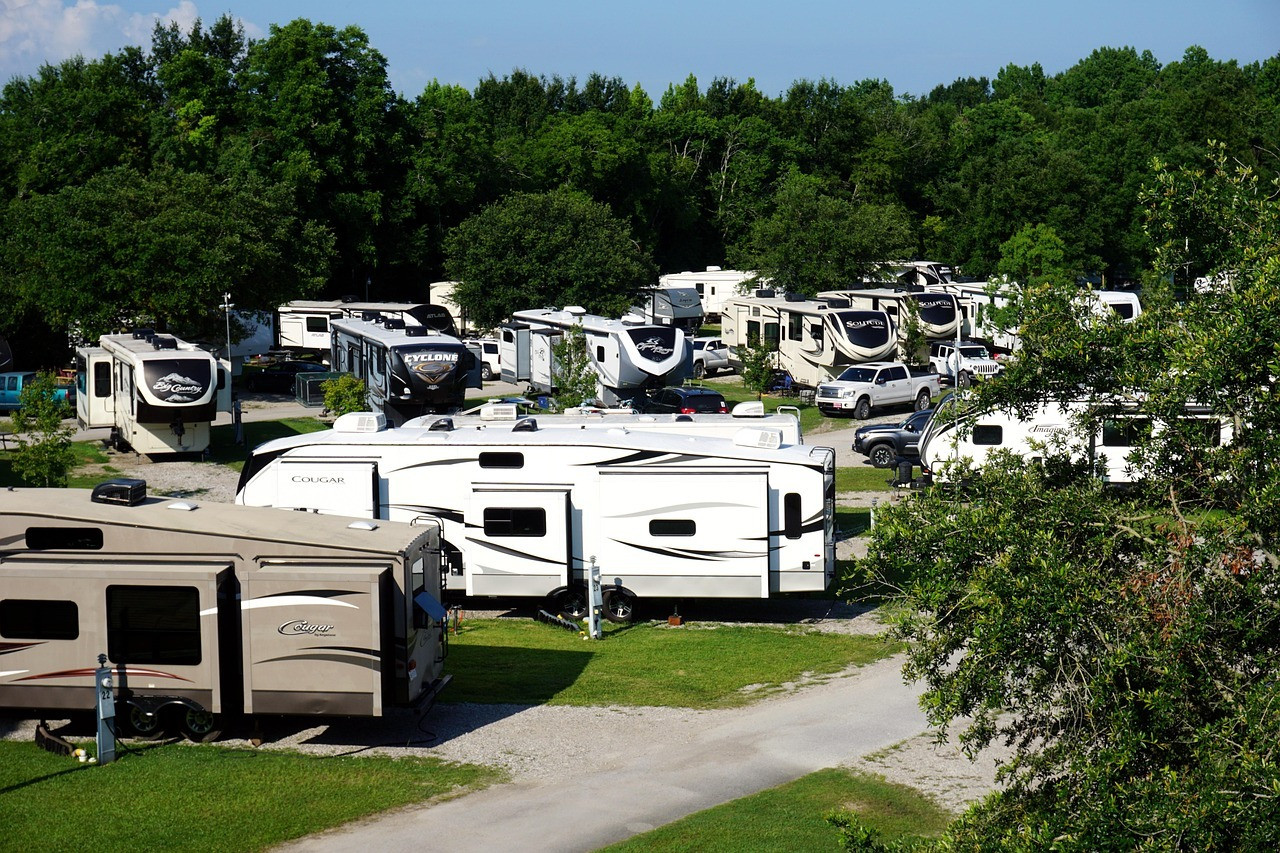
The Ultimate Guide to Powering Your RV
Whether you’re heading to a full-hookup campground or venturing into the great outdoors for some off-grid fun, understanding how to power your RV is essential. Power management affects everything from your air conditioning to your morning coffee, so it’s important to know the basics before hitting the road. Having a reliable power setup keeps your trip comfortable, safe, and worry-free, whether you are relying on shore power, batteries, a generator, or even solar panels. In this guide, we'll walk you through the different ways to power your RV, the critical components you should know about, and smart tips to troubleshoot and optimize your electrical setup.
Understanding RV Power Basics
AC vs. DC Power: Your RV uses both AC (alternating current) and DC (direct current) power systems. AC power is what you use when plugged into shore power, running major appliances like your microwave and air conditioner, while DC power comes from your batteries and powers things like lights, water pumps, and some small electronics.
Shore Power: Shore power is the term used when you connect your RV directly to an external power source, such as the electrical pedestal at a campground. Most RVs are designed to hook up to either a 30-amp or 50-amp outlet, and using the correct adapter and surge protector ensures a safe and steady flow of electricity to your RV systems.
Battery Power: Battery power allows you to run essential systems in your RV when you are not plugged into shore power. These deep-cycle batteries store energy to operate items like lights, vent fans, and the water pump, and they can be recharged by your converter, generator, or solar panels.
Generators: Generators are portable or built-in devices that produce AC power, allowing you to run your RV appliances when shore power is unavailable. They are perfect for boondocking or emergencies but require fuel (gas, diesel, or propane) and regular maintenance to stay reliable.
Solar Power: Solar panels provide a renewable way to generate power for your RV, converting sunlight into DC electricity to charge your batteries. Solar setups can range from simple portable panels to full roof-mounted systems and are especially useful for extended off-grid stays.
Key Components of the RV Electrical System
Power Converter: Changes incoming AC power into DC power to run DC appliances and charge batteries.
Inverter: Converts stored DC battery power into usable AC power for household appliances.
Battery Bank: A collection of batteries that store energy for use when shore power or a generator is unavailable.
Circuit Breaker Panel: Protects the RV’s wiring by shutting off circuits during electrical overloads or faults.
Surge Protector: Shields your RV’s electrical system from voltage spikes and surges that could cause damage.
Transfer Switch: Automatically switches between generator power and shore power to prevent electrical conflicts.
Different Ways to Power Your RV
Shore Power Hookups: When you're at a campground or RV park, shore power is the easiest and most reliable way to keep everything running. Simply plug your RV’s power cord into the electrical pedestal using the correct adapter (30-amp or 50-amp), and you’ll have full access to power for all your systems and appliances.
Generators: Generators provide portable power, making them a great option when you’re camping off the grid. They can run everything from your air conditioner to your coffee maker, but it’s important to manage fuel usage, ventilation, and noise to stay safe and considerate of others.
Solar Power Systems: Solar panels offer a quiet, renewable source of power perfect for extended boondocking trips. While they can require an initial investment, solar setups are low-maintenance and can help you stay powered up without relying on gas or external hookups.
Batteries Alone: For short stays or minimalist campers, relying solely on a well-maintained battery bank can be enough to power essential systems. However, batteries alone usually aren’t enough to handle heavy power demands like air conditioning or microwaves for extended periods.
Hybrid Systems: Most RVers use a hybrid approach that combines shore power, generators, batteries, and solar panels to meet their needs. This flexible setup allows you to adapt to different camping environments, from RV resorts to remote national parks.
Steps to Properly Connect Your RV to Power
1) Check the Power Source: Inspect the campground or pedestal outlet for damage before plugging in.
2) Use a Surge Protector: Always connect a surge protector to protect your RV’s electrical system.
3) Select the Right Adapter: Choose the proper adapter for 30-amp or 50-amp service as needed.
4) Turn Off Appliances: Before plugging in, switch off major appliances to prevent a sudden power surge.
5) Plug In Securely: Insert the plug firmly into the outlet and secure any locking mechanisms if available.
6) Check for Proper Voltage: Use a voltmeter to confirm safe voltage levels before turning on appliances.
Troubleshooting Common RV Electrical Problems
Tripped Breakers: Reset the breaker and unplug some appliances to reduce load.
Dead Batteries: Test battery charge and check water levels if applicable.
Faulty Shore Power Connection: Try a different pedestal or inspect your power cord for damage.
Blown Fuses: Locate the fuse box and replace any burnt-out fuses with the correct type.
Overloaded Circuits: Balance your usage by running fewer high-demand appliances at the same time.
Surge Protector Alarms: If alarms sound, disconnect immediately and test the power source for faults.
Tips for Optimizing Your RV’s Power Usage
Invest in Energy-Efficient Appliances: Switching to LED lights, Energy Star appliances, and low-wattage devices can dramatically cut your power consumption without sacrificing comfort.
Monitor Battery Health: Checking your battery voltage regularly and keeping terminals clean will help extend battery life and prevent power outages during trips.
Upgrade Your Converter and Inverter: Modern converters and inverters are more efficient and can help your batteries charge faster while also handling higher loads more smoothly.
Practice Good Power Management: Turning off lights and devices when not in use and spreading out the use of high-demand appliances helps avoid tripped breakers and wasted power.
Power Up Your Adventures with Berryland Campers
At Berryland Campers, we believe the best adventures start with a fully powered RV and the confidence to use it right. Whether you're upgrading your electrical system, exploring solar options, or just learning the basics, our team is ready to help you hit the road with peace of mind. Visit Berryland Campers today to find the perfect setup for your next big journey!