
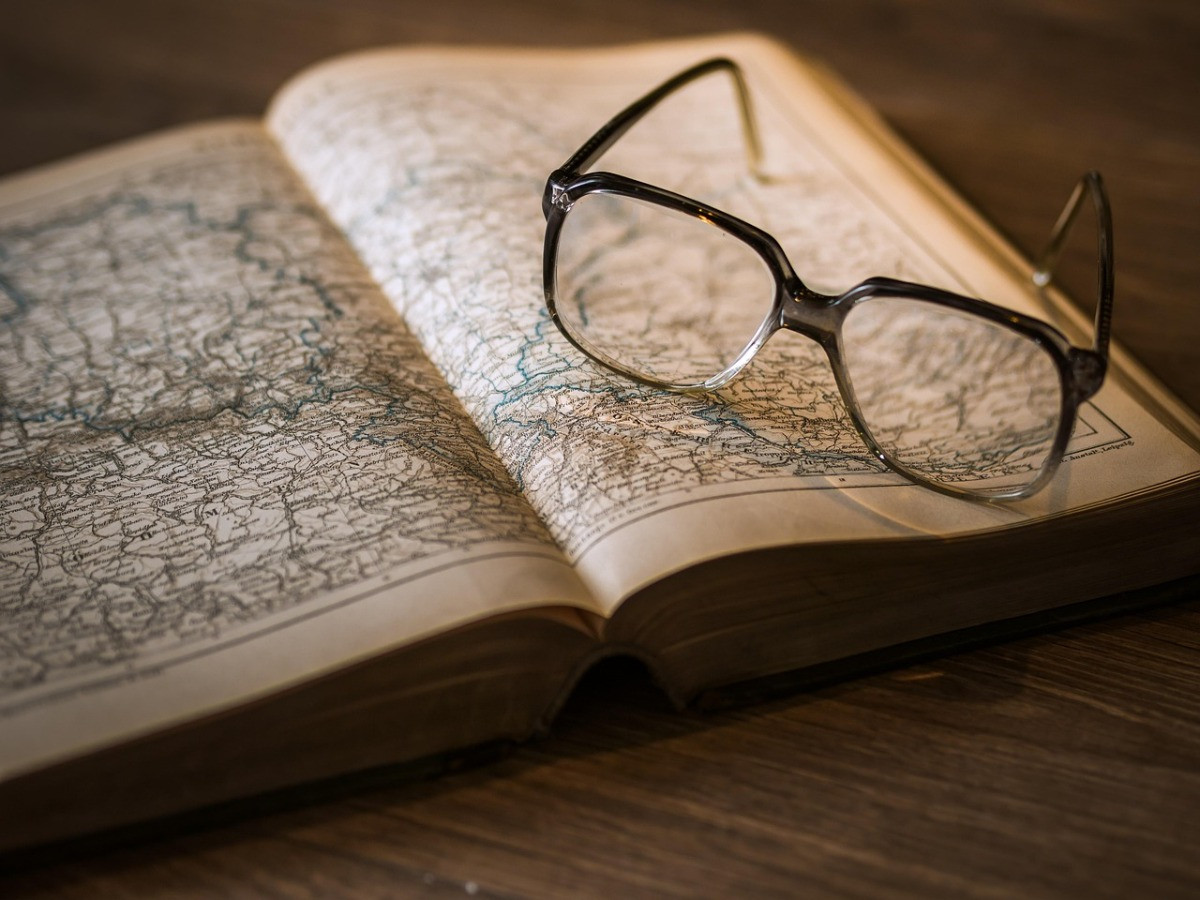
RV Trip Ideas for History Buffs
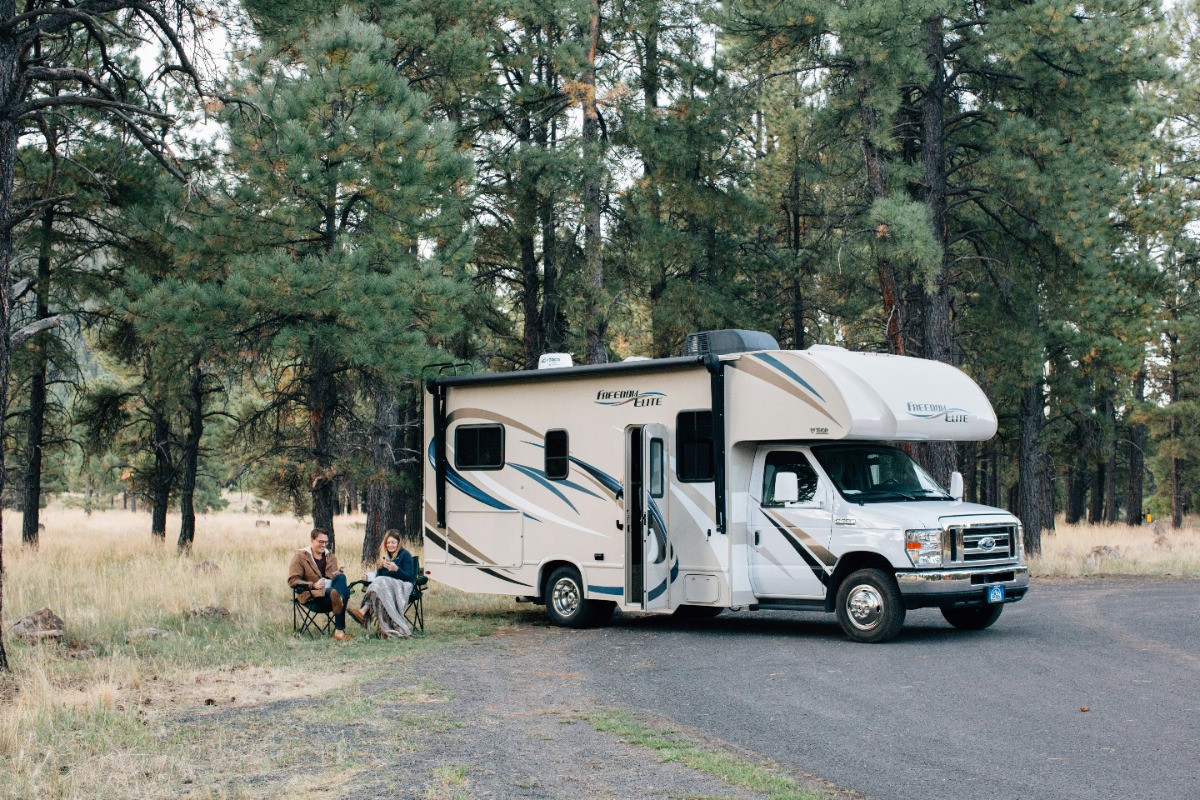
History rewards travelers who slow down, look closely, and connect dots across landscapes that still hold the imprint of earlier lives. An RV gives you that pace and flexibility, letting you linger at a battlefield at sunrise, trace a cobblestone street after dinner, or pivot toward an unexpected museum when a roadside sign catches your curiosity. Today, Berryland Campers dives into the best RV trip ideas for history fans that you can pack and plan for on your next adventure!
Why Plan a History-Themed RV Trip?
Purpose changes every mile; when you build your route around stories, each stop adds context to the last, which turns a vacation into a narrative you can follow across states and centuries. You begin to see how rivers guided settlement, how rail lines birthed towns, and how ordinary people shaped events that textbooks compress into a single paragraph. A theme also makes decisions easier, because it filters options without making the trip feel rigid. Rather than racing to check off attractions, you move with intention, picking two or three high-value sites in a region, then filling the rest of the day with local food, scenic drives, and small museums that deepen the picture.
How Should You Structure Your Route?
Choose a spine that matches your time window, then branch outward with short day trips that add texture. A single corridor, such as the Blue Ridge or the Mississippi River, keeps driving simple while offering dozens of well-preserved towns, parks, and archives within easy reach of reliable campgrounds.
Build light travel days between dense history days, because reflection matters as much as discovery. You will remember more when you carry fewer stops, read site signage without rushing, and leave space to talk about what you saw around a quiet campsite after dinner.
Colonial Roots on the Eastern Seaboard
If you crave the origins of American civic life, draw a line from Jamestown to Williamsburg to Yorktown, then continue north to Philadelphia and Boston. You can walk from seventeenth-century experiments in governance to revolutionary debates about liberty, all while exploring coastal forts, brick taverns, and working farms that interpret daily life with care.
Camp along tidal rivers and you will feel how maritime trade shaped the colonies. Many waterfront towns maintain compact historic districts, so you can park the RV at a nearby campground, bike into town in the morning, and spend a full day inside walkable streets where layered eras meet at every corner.
Civil War Corridors from the Deep South to Virginia
A powerful route traces the war’s arc through Nashville, Shiloh, Vicksburg, Chattanooga, and on to Richmond and Appomattox. Each battlefield preserves terrain that clarifies strategy, and each visitor center pairs artifacts with plainspoken exhibits, which helps you place diaries, letters, and photographs into the ground beneath your feet.
Treat these sites with unhurried respect, because the distances between them invite quiet miles that help difficult stories settle. Many campgrounds near National Park Service units are wooded and calm, which makes them ideal for reading a memoir or listening to a ranger talk that reframes what you thought you knew.
On the Trail of Freedom: The United States Civil Rights Journey
Follow a southern loop through Montgomery, Selma, Birmingham, Jackson, and Memphis to study the modern struggle for equal rights. Museums and memorials along this route present oral histories, church records, and courtroom scenes that place names and dates inside neighborhoods where people worked, marched, and organized.
Driving this loop connects places that are often taught in isolation. When you cross the Edmund Pettus Bridge in the morning and stand in front of the Lorraine Motel by evening, the sequence reinforces how courage flowed across city lines, and how ordinary routines became acts of moral clarity.
Frontier West and the Trails That Built a Nation
Head toward the Great Plains to find frontier posts, overland trail ruts, and living history sites that interpret fur trade, homesteading, and migration. Stops along the Santa Fe, Oregon, and California Trails reveal the logistics behind big ideas, such as how wagon trains formed, what supplies mattered most, and why river crossings controlled the calendar.
Plan generous distances between western sites because the scale of the landscape is part of the lesson. Long horizons teach you why travelers grouped at certain springs and passes, and why weather windows dictated success; after a day on those roads, a simple trail marker can feel as meaningful as a monument.
Ancient America at Your Doorstep
A different timeline opens when you point your RV toward ancestral sites like Mesa Verde, Chaco Culture, Taos Pueblo, and Pecos. These places preserve stone villages, ceremonial structures, and trade routes that flourished centuries before European contact, which broadens any understanding of North American history. Pair the Southwest with Midwestern earthworks to see parallel traditions. The Hopewell and Mississippian sites, including Cahokia Mounds and the Hopewell Culture parks, reveal city planning, astronomy, and artistry at a scale that surprises first-time visitors. Quiet campgrounds near these sites make thoughtful evenings easy, especially when you bring a field guide or listen to an audio lecture as the sun goes down.
Spanish Footprints across the Gulf and Atlantic
From St. Augustine to the chain of Texas missions around San Antonio, Spanish colonial history lives in coquina walls, mission courtyards, and coastal batteries that guarded shipping lanes. These sites pair well with barrier-island camping, where sea breezes and sunrise walks set a reflective tone before you step into centuries of layered settlement.
French Louisiana and the River Road Plantations
Travel the Mississippi River between New Orleans and Baton Rouge to study French, Spanish, and American eras converging along the levee. Plantation complexes along River Road interpret diverse stories, from architecture and sugar production to the lives of enslaved people whose labor made the wealth on display possible.
Base at a campground near the river so you can schedule tours with breaks for reading and conversation. A day that begins with a Creole townhouse and ends with a museum focused on slavery will ask more of your attention than a casual stroll, yet the RV gives you space to process it well.
The Natchez Trace Parkway for Slow History
The Trace is a curated corridor where archaeology, trade, and travel weave across a protected landscape. Short walks to sunken roads, mound sites, and overlooks keep history close, while developed campgrounds along the parkway make the logistics simple for families building confidence on their first multi-state RV loop.
Industrial Revolution and American Ingenuity
If your curiosity tilts toward invention, drive a northeast arc that includes Lowell’s textile mills, Springfield’s armory, and Pittsburgh’s steel story. Museums along this route make machinery approachable by focusing on the people who ran it, which brings labor, immigration, and community planning into sharp focus without drowning you in technical jargon.
Maritime Stories from Maine to the Gulf
Shipyards, light stations, and port museums line the Atlantic and Gulf coasts, offering hands-on exhibits that connect fishing, naval power, and global trade. Pair a lighthouse tour with a maritime cemetery walk, then end the day at a waterfront campground where gulls, tides, and channel markers carry the narrative into evening.
World War II on the Home Front in the West
California and the Pacific Northwest hold powerful Home Front sites, including shipyards, aircraft factories, and incarceration camp locations like Manzanar. These stops show how wartime urgency reshaped cities, accelerated social change, and tested civil liberties, which opens important conversations for teens and adults traveling together.
Indigenous Nations and Living History
Plan time for tribally run museums, cultural centers, and powwows that welcome visitors. These experiences highlight continuity rather than nostalgia, reminding travelers that Native nations are present-tense communities with evolving traditions, legal frameworks, and creative work that deserves the same attention you would give any major museum.
Respectful travel practices matter on this theme, which means reading site guidelines in advance, asking for photography rules, and buying directly from Native artists when possible. Your RV gives you the flexibility to attend evening programs, support local food stands, and stay long enough to learn beyond the basics.
Route 66 as a Rolling Museum
Historic Route 66 works as a gentle survey course in twentieth-century mobility, roadside architecture, and small-town resilience. You can string together diners, motor courts, neon signage, and car museums, then tuck into classic campgrounds that keep your rig close to Main Street flavors and stories.
Small-Town Courthouses and County Museums You Will Not Find in Textbooks
Some of the best surprises sit in county seats where volunteers curate collections that feel both quirky and invaluable. A single room might hold a turn-of-the-century pharmacy, a Civil War drum, and an oral history station where you can listen to local voices. These stops fit beautifully between headline sites and often become the day’s most memorable discovery.
What Should You Pack for a History-Rich Itinerary?
Bring a simple archive kit: a spiral notebook, pencils, sticky flags, and a folder for brochures and maps. A small field library helps more than you think, so pick one concise survey of your theme and one place-specific guide that you can annotate at camp. Comfortable walking shoes, a brimmed hat, and a compact rain layer keep you exploring when weather shifts.
How Do You Learn Beyond the Exhibit Label?
Use the visitor center as a launchpad, not the whole story. Ranger talks, living history demos, and short trails around the site usually add dimensions that wall text cannot carry alone. When time allows, return at a different hour, because light and mood change how a place feels; a twilight loop through quiet streets can teach as much as a mid-day tour.
How Do You Keep Kids Engaged Without Losing the Adults?
Give each child a daily question to answer, such as “What surprised you most at this place?” or “Which tool would you want to use, and why?” Adults can mirror the same prompt with a deeper lens, which keeps conversation aligned across ages. Short creative tasks help, too, like sketching a building profile or mapping a soldier’s path from one hill to another.
Where Can You Camp Close to the Stories?
Prioritize public campgrounds inside or adjacent to historic parks when possible, because proximity invites early walks and evening revisits. When those sites book up, look for county parks or small private campgrounds within a twenty-five-minute drive, then plan a full day on site rather than bouncing between far-flung attractions that dilute your focus.
Trip Starters from Louisiana
If you are rolling out from Berryland Campers, you hold a hub position that makes multiple themes easy. A week on the River Road pairs with day trips into New Orleans for French, Spanish, and American milestones. A second loop north along the Natchez Trace and Vicksburg opens Civil War study without long drives, while a westward arc to San Antonio blends Spanish colonial heritage with mission architecture and regional foodways.
For a longer adventure, climb the Mississippi to St. Louis for steamboat history and the gateway story, then angle east to Abraham Lincoln sites in Illinois and on to the Ohio River for Underground Railroad narratives. Each leg holds well-maintained campgrounds, reliable services, and enough interpretive depth to reward repeat visits.
How Do You Balance Research and Serendipity?
Set firm anchors for high-priority stops, then leave open afternoons for the unexpected. A hand-painted museum sign or a local telling you about a one-room schoolhouse can redirect an ordinary day into a highlight. When you travel by RV, you own the schedule; give it room to surprise you.
What Makes a Site Worth the Drive?
Look for places that preserve original context, interpret multiple perspectives, and invite you to handle primary sources. When a site lets you stand where decisions were made, read a real letter, or hear a descendant tell the story, you are more likely to carry that memory home. Distance matters less when authenticity runs high.
How Do You Turn Miles into Memories?
Close each day with a short reflection that everyone contributes to, which could be a shared logbook or a few voice notes. Capture one quote from a ranger, one object that stood out, and one question you still have. Those habits stack into a personal archive that outlasts souvenirs and helps you plan the next route with sharper intentions.
Explore American History in an RV with Berryland Campers
When your curiosity points toward the past, the right RV becomes a flexible classroom, a quiet reading room, and a comfortable home base between museums, forts, and hillside trails. Berryland Campers can match you with a rig that fits your group, your route, and your learning style, then share practical tips for campground selection, packing, and pacing so your history-themed trip feels smooth from day one. If you are ready to turn roads into timelines, start your plan by contacting Berryland and set your wheels toward the stories that built America.