
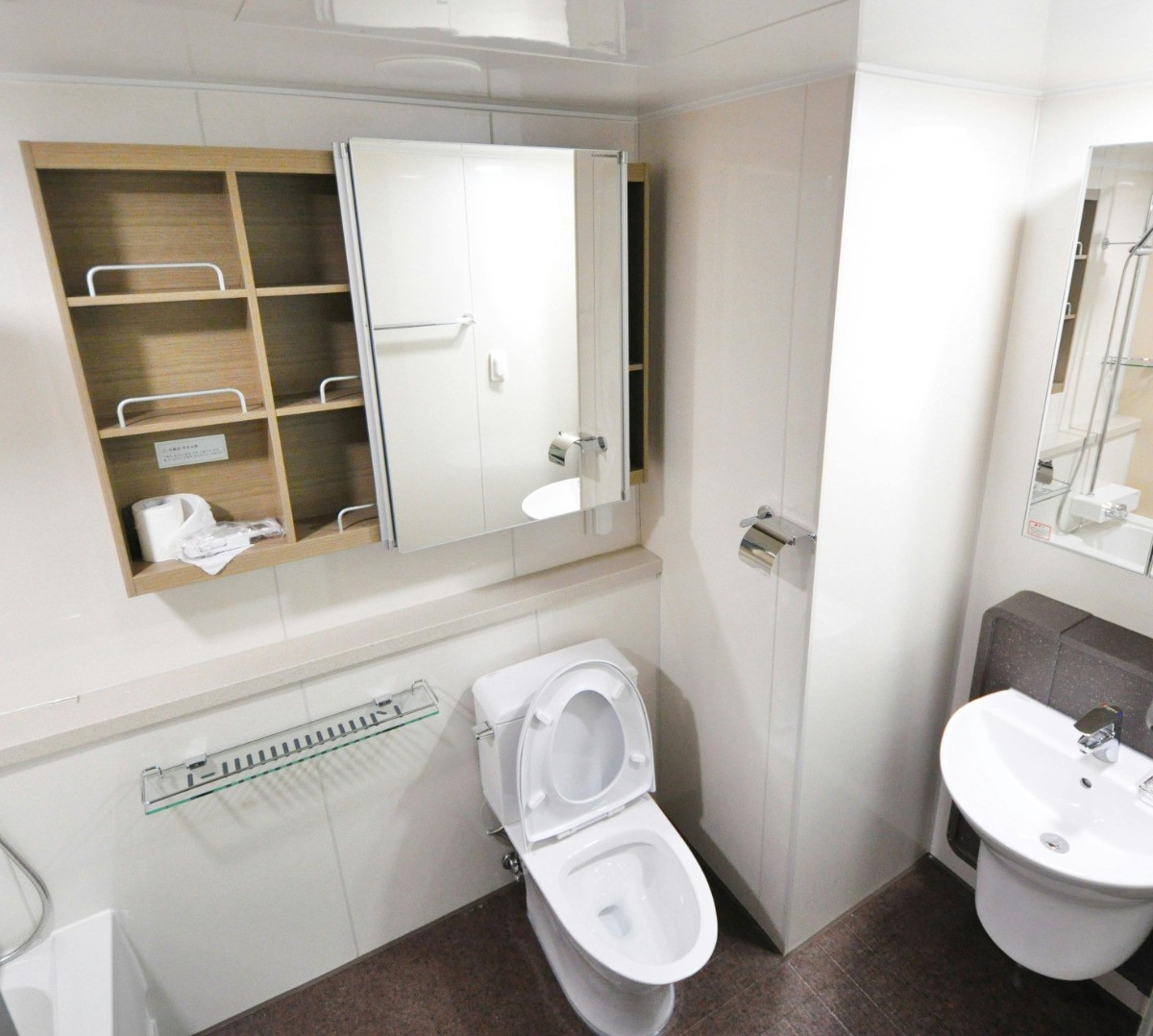
RV Toilets vs. Traditional Toilets
When hitting the open road in an RV, there are plenty of adjustments to make, but one of the most unexpected is the toilet. While the basic purpose remains the same, RV toilets function very differently than the traditional toilets found in homes. Understanding those differences can help you maintain your camper more effectively and avoid messy or costly problems down the line.
How Traditional Toilets Work
In most homes, toilets use gravity and a large volume of water to flush waste through a network of pipes that lead to the municipal sewage system or a septic tank. With a full-sized tank of water mounted on the back, pressing the handle releases water that both clears the bowl and carries waste away. The process is simple and automated: once flushed, the waste is out of sight and out of mind.
Traditional toilets are connected to a continuous freshwater supply and a complex plumbing system. They require no special chemicals and little maintenance beyond occasional cleaning or unclogging. They also use more water, typically between 1.6 and 3.5 gallons per flush, depending on the model.
How RV Toilets Work
RV toilets are built to conserve water and manage waste in a more self-contained system. They’re not connected to a city sewer system or septic tank. Instead, they flush waste into a black water holding tank located underneath the camper. This waste is later emptied at a dump station or RV park sewer connection.
Rather than a tank handle, many RV toilets use a foot pedal. Pressing the pedal partway allows water into the bowl, while pressing it fully opens the valve to flush waste. Water usage is minimal—usually only a pint or two per flush. That efficiency is crucial when your freshwater tank and waste tanks have limited capacity.
Key Differences Between RV and Traditional Toilets
1) Plumbing System: Traditional toilets are part of a centralized plumbing system with unlimited water access. RV toilets rely on a limited onboard water supply and holding tanks that need to be managed and emptied.
2) Water Usage: RV toilets use far less water per flush, making them more efficient in terms of conservation. This is necessary for dry camping or traveling between destinations without hookups.
3) Waste Management: Home toilets send waste away instantly, while RV toilets store it until you manually dump the black tank. This means you’re responsible for odor control and regular maintenance.
4) Chemical Use: To help break down waste and control odors, RVers often add special chemicals to the black water tank. These are not needed in home systems.
5) Cleaning and Maintenance: While both systems require cleaning, RV toilets need more regular attention. The black tank must be flushed out, sensors can get gummed up, and you need to be careful what gets flushed to avoid clogs.
Common Types of RV Toilets
Gravity Flush Toilets – The most common type, using a foot pedal and direct drop into the black tank.
Macerator Toilets – These grind waste before sending it to the tank, helping reduce clogs and odors.
Composting Toilets – Popular among off-grid travelers, these separate liquids and solids and don’t use water.
Cassette Toilets – Found in smaller RVs, these have a removable waste tank for easier emptying.
Pros and Cons of RV Toilets
Pros:
- Water efficient
- Space-saving design
- Self-contained for off-grid camping
- Portable systems available
Cons:
- Requires manual waste disposal
- Smaller bowl size and flushing power
- Sensitive to what can be flushed
- Routine chemical use is needed
Tips for Using and Maintaining an RV Toilet
1) Only flush RV-safe toilet paper and waste. Regular toilet paper can clog the system.
2) Always add water before use. This helps the waste move more easily into the tank.
3) Use approved RV tank chemicals. These help with odor control and waste breakdown.
4) Dump your tanks regularly. Avoid overfilling to prevent backups.
5) Rinse the black tank often. This keeps sensors clean and prevents buildup.
Can You Replace an RV Toilet with a Regular One?
Technically, you could try, but it’s rarely practical or wise. Traditional toilets need a permanent plumbing and sewer connection, and they use much more water than an RV system can handle. The design, space, and water constraints of an RV make standard toilets incompatible in almost all situations.
Why the Difference Matters for RV Owners
Understanding how RV toilets differ from traditional ones helps you avoid mistakes that could lead to costly repairs or unpleasant situations. Whether you’re a weekend traveler or a full-time RVer, learning the ins and outs of your toilet system makes for a smoother trip.
If you're shopping for your next RV or just need guidance on how to care for the one you already own, Berryland Campers is here to help. Our team can walk you through the options, answer questions about RV toilets and tank maintenance, and make sure you're ready to hit the road with confidence in your commode!