
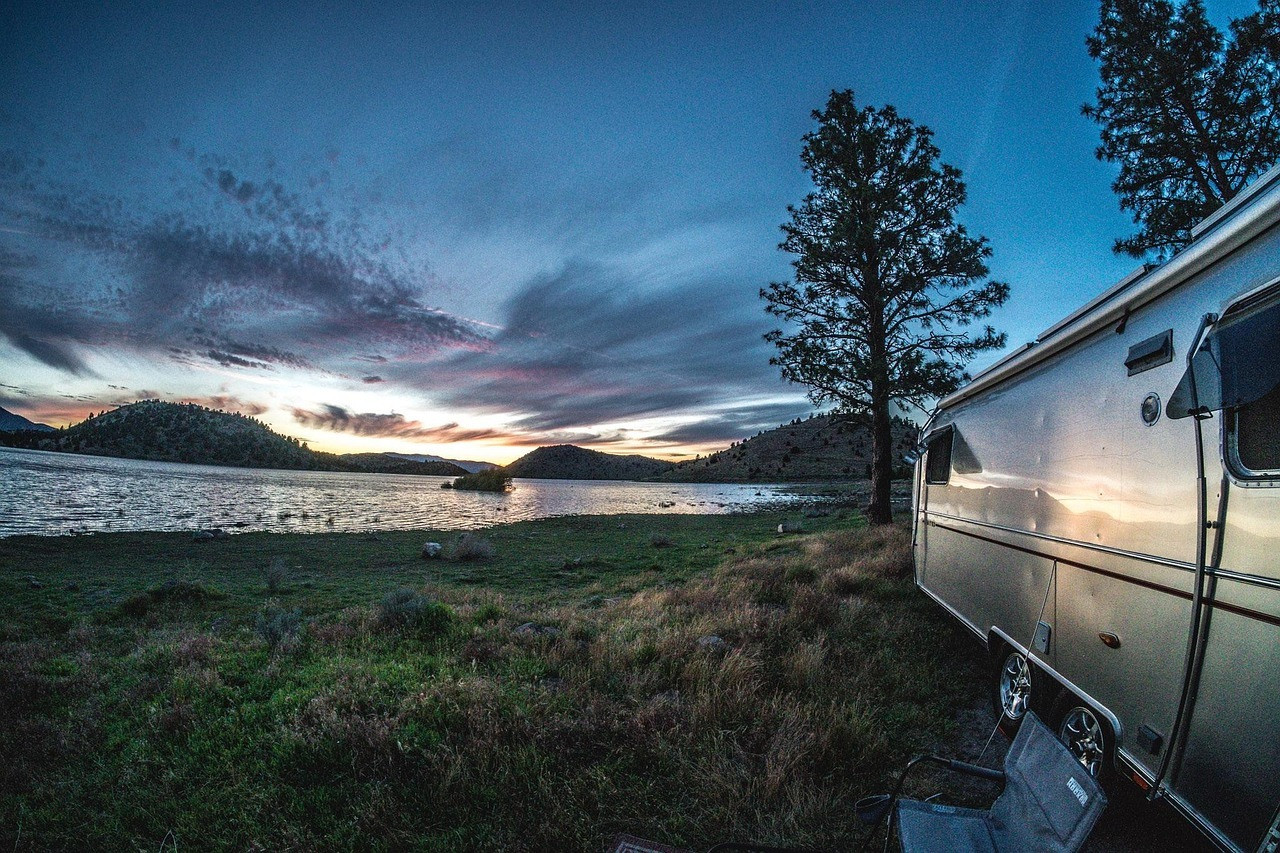
Living in a Recreational Vehicle Full-Time
If you’ve ever dreamed of waking up to the view of a mountain lake, a desert sunrise, or a coastal breeze, then full-time RV living might be calling your name. For many, this lifestyle is a way of life. Living in a recreational vehicle full-time offers freedom, flexibility, and a minimalist approach to life that many find refreshing and deeply fulfilling.
Whether you're retiring and downsizing, working remotely while traveling, or simply craving a more adventurous lifestyle, moving into an RV full-time is a major life decision that deserves careful thought. At Berryland Campers, we’ve helped countless people start their full-time RV journey with confidence, and we’re here to walk you through what you need to know to live full-time in your camper comfortably, safely, and smartly.
Why People Choose Full-Time RV Living
There are many reasons people are making the switch from traditional homes to full-time RV living:
1) Freedom and Flexibility: Full-time RVers have the freedom to go wherever they please. Want to escape the cold? Head south. Craving mountain views? Drive to Colorado. Your home travels with you, offering a level of mobility that few lifestyles can match.
2) Simpler Living: RV life naturally limits the amount of stuff you can carry, encouraging a minimalist lifestyle. With less clutter, many find their lives feel more manageable and meaningful.
3) Lower Cost of Living: While RVs have their own set of costs (fuel, maintenance, insurance, campground fees), many find that the overall cost of full-time RV living is lower than maintaining a traditional home, especially when mortgages, property taxes, and utilities are factored in.
4) Connection to Nature: Living in an RV brings you closer to nature on a daily basis. Whether you're camping in national parks, boondocking on public land, or staying near lakes and beaches, it’s easier to spend time outdoors and appreciate the world around you.
Choosing the Right RV for Full-Time Living
The right RV can make or break your full-time living experience. At Berryland Campers, we offer everything from compact travel trailers to spacious fifth wheels and motorhomes. Here’s what to consider:
1) Size and Layout: Consider how much living space you need. Are you traveling solo, with a partner, or with children or pets? Full-timers often prefer fifth wheels or Class A motorhomes for their ample storage and residential-style layouts.
2) Storage: You’ll need more storage than a weekend camper. Look for RVs with underbelly storage compartments, pantry space, wardrobe closets, and large kitchen cabinets.
3) Insulation and Four-Season Readiness: If you plan to travel in various climates, choose an RV that’s built for four-season use. Proper insulation, double-pane windows, and heated tanks can make life easier in colder regions.
4) Power and Water Systems: If you’re planning to boondock or live off-grid at times, make sure your RV has solar panel capabilities, large freshwater tanks, and a reliable generator.
Downsizing: Letting Go of the Excess
One of the most challenging steps to full-time RV life is downsizing your belongings. It’s a process that requires honesty and intentionality.
Tips for Downsizing:
- Start with the “three piles” method: keep, donate, discard.
- Be realistic about what will actually fit in your RV.
- Digitize important paperwork.
- Consider using off-site storage for keepsakes or seasonal items.
- Invest in multipurpose items, such as a slow cooker that also works as an air fryer or pressure cooker.
Living with less can feel like a breath of fresh air once the initial letting go is complete. Many full-timers say they don’t miss their old belongings at all.
Budgeting for Full-Time RV Living
Although RV life is often seen as a cheaper alternative to traditional housing, it still requires financial planning. Here’s a breakdown of common expenses:
1) RV Payments and Insurance: If you're financing your camper, factor in your monthly loan payments. RV insurance is also required and varies based on the type of vehicle, coverage, and your driving history.
2) Campground Fees: These can range from $20 per night at basic sites to $100+ per night at high-end resorts. Many full-timers save by joining discount programs or staying at monthly-rate parks.
3) Fuel and Maintenance: Gasoline or diesel costs can add up quickly, especially for larger rigs. Maintenance, oil changes, tires, and unexpected repairs should also be included in your budget.
4) Connectivity and Internet: Remote workers and digital nomads need reliable internet. Many invest in mobile hotspots, signal boosters, or Starlink satellite internet service.
5) Groceries and Dining: Cooking in your RV can save a lot of money. Still, plan for meals out while traveling through foodie towns and regional hotspots.
6) Health Insurance: Full-timers need portable insurance that works across state lines. Consider providers that cater specifically to RVers and frequent travelers.
How to Get Mail on the Road
Getting mail and packages while traveling is easier than you might think. Here are some common options:
- Mail Forwarding Services like Escapees or Traveling Mailbox provide you with a legal address and mail scanning or forwarding options.
- General Delivery lets you send mail to post offices across the U.S. where you can pick it up in person.
- Campground Mailing Services are often available for longer-term stays.
- Amazon Lockers and package pickup at local businesses can also be convenient solutions.
Staying Connected with Family and Friends
One concern new full-timers have is feeling isolated. The good news is that the RV lifestyle can be very social, especially if you’re staying in popular campgrounds or attending RV rallies. Keep in touch with loved ones via video calls, texts, and social media. Consider traveling to places where family or friends live for extended visits.
Working While Living in an RV
Remote work is a huge driver behind the growth in full-time RV living. Whether you freelance, run a business, or work for a company that supports remote jobs, RVs can easily become mobile offices.
Tips for Working from the Road:
- Set up a dedicated workspace inside your RV.
- Invest in a mobile Wi-Fi plan or satellite internet.
- Stick to a daily routine to stay productive.
- Use coffee shops or coworking spaces when needed.
Even jobs like seasonal work, campground hosting, photography, or content creation are options many RVers pursue on the road.
Where to Park: Campgrounds, Boondocking, and More
Living full-time in an RV means figuring out where to park safely and legally each night. There are several options:
1) Private Campgrounds: These often offer full hookups (electric, water, sewer), Wi-Fi, laundry, and community events. Good for comfort and amenities.
2) State and National Parks: Stunning natural settings, though they may have limited hookups and length-of-stay rules.
3) Boondocking: Camping without hookups on public lands, forest service roads, or Bureau of Land Management (BLM) land. Great for solitude and free stays but requires self-sufficiency.
4) RV Parks with Monthly Rates: Ideal for people who prefer to stay in one location for longer periods. Some even offer storage for off-season vehicles.
5) Harvest Hosts and Hipcamp: Unique overnight stays at farms, wineries, or private lands. These often have limited amenities but offer memorable experiences.
Staying Safe on the Road
Safety is essential for full-time RVers. Here’s how to keep your travels safe and enjoyable:
- Always research areas before parking overnight.
- Use RV-specific GPS apps to avoid low clearances or tight roads.
- Perform regular maintenance checks on your tires, brakes, and engine.
- Lock your RV whenever you leave it, even for a short walk.
- Stay weather-aware, especially in areas prone to storms, floods, or wildfires.
Building a Routine in an Ever-Changing Environment
Living on the road can feel disorienting without structure. Even though the scenery changes, creating a daily routine brings a sense of normalcy.
Try to include:
- Morning and evening rituals.
- Scheduled work or hobby hours.
- Exercise and outdoor time.
- Weekly cleaning or maintenance tasks.
- Set mealtimes and rest hours.
Routines help you stay healthy and grounded as you enjoy your mobile lifestyle.
The RV Community
One of the best parts of full-time RV living is becoming part of the community. Whether you're connecting on social media, through apps like Campendium or iOverlander, or at in-person meetups, RVers are known for their friendliness and willingness to share tips.
Online forums, YouTube channels, and blogs from other full-timers can help answer your questions and offer real-world advice. Chances are, someone else has already faced the same issue you’re wondering about.
Pros and Cons of Full-Time RV Living
Pros:
- Ultimate travel freedom
- Lower living expenses (in many cases)
- Closer connection with nature
- Minimalist lifestyle
- Opportunities to meet new people
Cons:
- Small living quarters
- Weather can affect travel plans
- Mechanical issues can cause disruptions
- Limited storage
- Healthcare access and mail can be trickier
Despite the challenges, most full-time RVers will tell you that the pros far outweigh the cons if you prepare properly.
Is Full-Time RV Life Right for You?
The idea of trading a traditional home for an RV can sound intimidating. It’s not the right fit for everyone, but for those who value adventure, freedom, and simplicity, it can be incredibly rewarding. Think about what matters most to you. Are you willing to trade square footage for daily sunsets in a different state? Would you give up closets for campfires and new friends on the road?
Start Your Journey with Berryland Campers
If you’re considering life on the road, let the team at Berryland Campers help you find the perfect RV to fit your full-time lifestyle. Our experts are here to walk you through your options, answer your questions, and make sure you hit the road in comfort and confidence.