
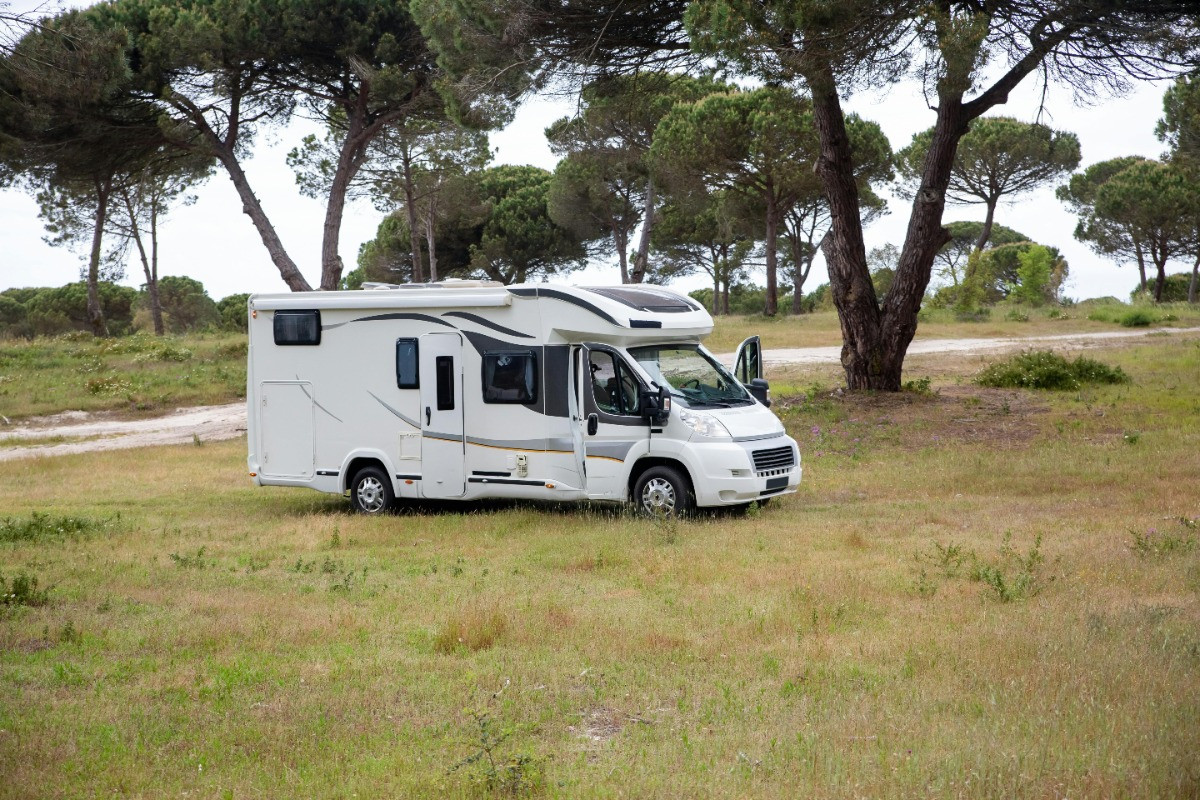
How to Plan an RV Trip with Your Kids
Embarking on an RV trip with your family offers a unique adventure that combines the comforts of home with the excitement of the great outdoors. For families with kids, RV travel provides an unparalleled opportunity to explore new destinations while maintaining a flexible, child-friendly environment. It's not just about the destination but also about the journey, where every road taken can lead to educational experiences and cherished family memories. Whether you’re watching landscapes change from your window, stopping at hidden gems along the way, or simply enjoying the freedom of having all your needs on wheels, RVing as a family can be an enriching experience for both parents and children.
How to Keep Insects Out of Your RV
As an RV enthusiast, you know that part of the adventure is enjoying the great outdoors. However, the last thing you want is for the outdoors to invade your cozy, mobile living space. Insects can quickly turn a pleasant trip into an uncomfortable experience, bringing potential health risks, causing damage, and creating a general nuisance. Keeping your RV free from these unwanted guests is essential for maintaining a clean, safe, and enjoyable environment.
At Berryland Campers, we understand the challenges of RV living and are here to help you make the most of your travels; our camping experts are here to provide you with practical tips and strategies to keep insects out of your RV. From understanding the types of insects commonly found in RVs to implementing effective preventative measures, we've got you covered!
Understanding Common RV Insects
Ants: Ants are common invaders in RVs, attracted by food crumbs and spills. They can enter through the tiniest cracks and quickly establish trails, leading to large infestations.
Mosquitoes: These pests are not only annoying but also potential carriers of diseases. They can find their way into your RV through open windows, doors, and vents.
Flies: Flies are attracted to food and waste. They can enter your RV through open doors and windows, often laying eggs in trash or food waste.
Spiders: While many spiders are harmless, some can be a nuisance or pose a threat. They enter RVs seeking shelter and can build webs in corners and storage areas.
Cockroaches: These resilient insects can be particularly challenging to deal with. They are attracted to food, water, and shelter, and can carry diseases, making their presence in an RV especially problematic.
Top 3 Reasons Why Insects Are Attracted to RVs
1) Food Sources: Crumbs, spills, and improperly stored food can attract insects. Even a small amount of food can draw them in and keep them coming back.
2) Shelter: RVs provide a warm, protected environment that can be very appealing to insects looking for a place to live and breed.
3) Water Sources: Leaks, condensation, and standing water can attract insects like ants, mosquitoes, and cockroaches. These pests need water to survive and will seek it out wherever they can find it.
Preventative Measures
Regularly check the seals around your windows and doors, use weather stripping and caulking to close any gaps, and install weather stripping around doors and windows to prevent insects from sneaking in through gaps. Door sweeps can be added to the bottom of doors to block entry. Examine the exterior and interior of your RV for any cracks or gaps, and use a silicone-based caulk to seal these areas, paying special attention to areas around pipes, cables, and vents.
Proper Food Storage to Prevent Insects in Motorhomes
Store all food items, including pet food, in airtight containers since this prevents insects from smelling and accessing the food. Wipe down counters, tables, and other surfaces after meals. Sweep and vacuum regularly to remove crumbs and spills that might attract pests, and empty trash cans frequently and use trash bags that can be tightly sealed. Store trash outside of the RV if possible, and avoid letting it accumulate indoors.
Managing Water Sources
Fixing Leaks: Regularly inspect your RV for leaks, including plumbing, roof, and window seals. Promptly repair any leaks to prevent attracting insects.
Proper Drainage: Ensure your RV's drainage systems are functioning correctly. Avoid letting water pool around the exterior or interior of your RV.
Using Dehumidifiers: A dehumidifier can help reduce moisture levels inside your RV, making it less attractive to insects that thrive in humid environments.
Insect Repellents and Barriers
Natural repellents are a great way to deter insects without using harsh chemicals. Essential oils like citronella, eucalyptus, and lavender are known for their insect-repelling properties. You can create your own DIY repellent spray by mixing these oils with water and a bit of witch hazel. Simply spray this mixture around doors, windows, and other entry points to keep insects at bay.
Citronella: Effective against mosquitoes and flies.
Eucalyptus: Repels a variety of insects, including ants and mosquitoes.
Lavender: Known to deter mosquitoes, flies, and moths.
Chemical Insect Repellents
While natural repellents are beneficial, sometimes a stronger approach is needed. Chemical repellents can be very effective when used correctly. Insecticides come in various forms such as sprays, baits, and traps. When using chemical repellents, it's important to follow the instructions carefully to ensure safe application and storage.
Insecticide Sprays: Use around windows, doors, and other entry points.
Baits and Traps: Place in areas where insects are commonly seen.
Safe Storage: Keep all chemical repellents out of reach of children and pets.
Physical Insect Barriers
Installing physical barriers is one of the most effective ways to keep insects out of your RV. Screened windows and vents can prevent insects from entering while still allowing for ventilation. Mosquito nets are also a good option for sleeping areas. Additionally, electronic insect traps can be used inside the RV to capture and kill any insects that manage to get in.
Screened Windows and Vents: Ensure all screens are intact and free from holes.
Mosquito Nets: Use over beds and seating areas.
Electronic Insect Traps: Place in common areas to catch stray insects.
Regular Motorhome Maintenance and Cleaning
Regular cleaning is crucial to keeping your RV insect-free. Establishing daily, weekly, and monthly cleaning routines can significantly reduce the likelihood of infestations. Daily tasks should include wiping down surfaces, sweeping floors, and disposing of trash. Weekly, focus on deeper cleaning tasks like vacuuming and cleaning out the refrigerator. Monthly, inspect and clean less obvious areas such as storage compartments and under furniture.
Daily Cleaning:
- Wipe down counters and tables.
- Sweep floors.
- Dispose of trash regularly.
Weekly Cleaning:
- Vacuum carpets and upholstery.
- Clean the refrigerator and pantry.
- Wipe down all appliances.
Monthly Cleaning:
- Inspect and clean storage compartments.
- Clean under and behind furniture.
- Check for any signs of insect activity.
Seasonal Inspections
Performing seasonal inspections can help you catch and address potential insect issues before they become major problems. Before each trip, thoroughly inspect your RV for any signs of insects or entry points. After each trip, clean and inspect your RV again to ensure no pests have made it inside. During off-season storage, take extra precautions to seal your RV and check it periodically.
Pre-Trip Inspections:
- Check for cracks and gaps.
- Ensure all seals and screens are intact.
- Look for signs of insect activity.
Post-Trip Clean-Up:
- Clean all surfaces and floors.
- Empty and clean the refrigerator and pantry.
- Inspect for any new entry points or insect activity.
Off-Season Storage Tips:
- Seal all potential entry points.
- Use RV covers and vent covers.
- Periodically check your RV for signs of insects.
Dealing with Bug Infestations in Motorhomes
Identifying an insect infestation early can prevent extensive damage and discomfort. Common signs of infestations include seeing live insects, finding insect droppings, and noticing damage to food packaging or other materials. Unusual smells and sounds, such as rustling within walls, can also indicate an infestation. Knowing how to properly identify different insects will help you take the right steps to address the problem.
Signs of Infestations:
- Live insects in unusual numbers.
- Insect droppings.
- Damage to food packaging.
- Unusual smells or sounds.
Proper Identification:
- Use online resources or insect identification guides.
- Consider capturing a sample to show to a pest control professional.
DIY Pest Control Methods
For minor infestations, DIY pest control methods can be effective. Start by thoroughly cleaning the affected area and removing any sources of food and water. Use insect traps and baits to target specific pests. Natural remedies, like diatomaceous earth, can also help by creating a barrier that dehydrates and kills insects. Ensure that any treatments used are safe for your RV environment and those living in it.
Cleaning and Removal:
- Deep clean the affected area.
- Remove food and water sources.
Traps and Baits:
- Place traps in areas of high activity.
- Use baits to attract and kill insects.
Natural Remedies:
- Spread diatomaceous earth around entry points.
- Use essential oil sprays to repel insects.
Professional Pest Control Services
For severe infestations, it’s best to call in professional pest control services. Professionals have the experience and tools necessary to handle large-scale infestations safely and effectively. They can also offer advice on preventing future problems.
When to Call a Professional:
- Infestations that are widespread or severe.
- Persistent problems despite DIY efforts.
What to Expect:
- Thorough inspection of the RV.
- Safe and targeted pest control treatments.
- Recommendations for future prevention.
Keep Those Pests at Bay!
Should you encounter an infestation, knowing how to identify the problem and using DIY methods can help manage minor issues. For more severe infestations, professional pest control services are the best option to ensure thorough and effective treatment.
Berryland Campers is here to support you with expert advice and resources to keep your RV insect-free. By following these guidelines, you can enjoy a cleaner, healthier, and more pleasant RV living experience.